
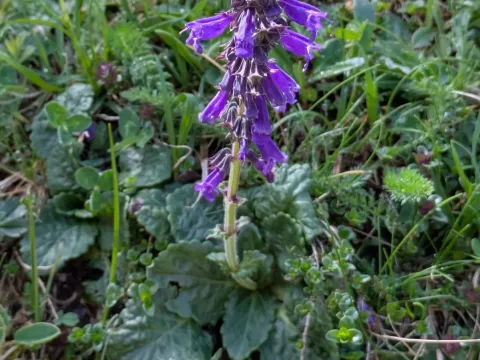
Horminum
Horminum
Seeds of Horminum should be sown in late autumn in open ground or in seedling trays during March or April. The sowing is done superficially because the seeds require light to germinate, so covering them with a thin layer of sand is sufficient.
What the section contains
Horminum
Germination is often slow and uneven, requiring consistent substrate moisture throughout the process. The optimal temperature for successful germination ranges between 15 and 18 degrees Celsius.
When starting indoors, seedlings should be pricked out at the two-leaf stage, taking great care not to damage the delicate root system. Hardened young plants are then transplanted to their final location in late spring.
Horminum prefers spacious planting to ensure good air circulation around the leaf rosettes. The recommended distance between plants is at least 30 to 40 centimeters to prevent competition for nutrients.
During spring sowing in the field, it is crucial to ensure regular watering until the seedlings are fully established, as the culture is highly sensitive to the drying out of the topsoil in its early growth stages.
Horminum is a genus in the Lamiaceae family, consisting of a single species, Horminum pyrenaicum. Its natural habitat is the high-mountain meadows of the Pyrenees and the Alps, which defines its ecological needs.
The culture has specific soil requirements: it must be loose, well-drained, and contain moderate amounts of lime. Waterlogging in the root zone is extremely detrimental and often fatal to this plant.
While the plant thrives in bright light, it appreciates partial shade during the hottest midday hours in southern regions. In cooler climates, it develops well in open, sunny areas where the soil warms up deeply.
Horminum is known for its high cold resistance, typical of alpine flora. It withstands harsh winters easily, although it may suffer from sudden temperature fluctuations in the absence of a stable snow cover.
Cultivation practices include regular soil aeration around the plants to prevent crust formation. The plant also responds positively to the application of potassium-phosphorus fertilizers during the budding phase to prolong flowering.
The harvesting of medicinal and decorative raw materials, such as flower spikes and leaves, is conducted during the phase of mass flowering. At this point, the plant contains the highest concentration of essential oils.
Cutting should be performed with sharp garden tools, ensuring the basal leaf rosette remains intact to allow the plant to regenerate. It is advised not to remove more than one-third of the vegetative mass at once.
Collected materials must be dried in a shaded, well-ventilated area at temperatures not exceeding 35 degrees. Direct sunlight during drying leads to the loss of aromatic properties and discoloration of the herb.
For seed production, the healthiest flower spikes are left on the plant. Seeds are harvested as the pods turn brown to prevent spontaneous self-seeding, which is common for this species under favorable conditions.
Dried material should be stored in paper bags or airtight glass containers in a dark, dry place. Under these conditions, the biological activity of the components remains stable for one to two seasons.
The primary threat to Horminum comes from fungal diseases that thrive in conditions of excessive soil and air humidity. Root rots can completely destroy the plant within a short period if drainage is inadequate.
In dense plantings, the plant may suffer from powdery mildew, especially if there are significant differences between day and night temperatures. Prevention involves proper spacing and the use of fungicides when necessary.
Pests such as slugs and snails are common in the spring, as they are attracted to the young, succulent leaves. Managing these involves using gravel mulching or physical barriers around the base of the plant.
Aphids may occasionally appear on the flower spikes, feeding on the cell sap. Using biological treatments based on soap solutions or herbal infusions is usually an effective way to manage these minor infestations.
To prevent the spread of diseases, it is essential to perform annual sanitary clearing of the plot by removing old, dead leaves and organic debris, which can serve as a wintering ground for various pathogens.