
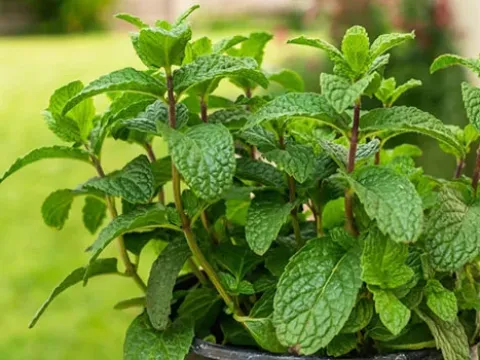
Hybrid mint
Mentha hybrids
Hybrid mint, most commonly represented by peppermint Mentha × piperita, is predominantly propagated vegetatively. The optimal time for planting rhizomes or seedlings into open ground is early spring, once the soil temperature reaches 8–10 degrees Celsius.
What the section contains
Hybrid mint
Autumn planting is also possible, carried out 3–4 weeks before persistent frosts, allowing the root system to adapt. For vegetative propagation, rhizome segments 10–12 centimeters long with several nodes are typically utilized.
To establish commercial plantations, planting material is set in rows with a spacing of approximately 60–70 centimeters. This ensures optimal plant density and facilitates subsequent mechanized soil cultivation and maintenance.
The chosen site should avoid areas previously used for other Lamiaceae species to prevent the accumulation of soil-borne pathogens. Selecting well-lit sites protected from strong winds is crucial for uniform plant development.
Soil preparation involves deep plowing or tilling up to 25 centimeters deep with the incorporation of organic fertilizers. Hybrid mint is highly responsive to fertile, structured soils, which directly determines the future productivity of the plantation.
This crop belongs to the Lamiaceae family and is a complex hybrid requiring specific conditions to maximize the accumulation of menthol and essential oils. Mint is moisture-loving and sensitive to water deficits during critical growth stages.
The best soils for cultivation are chernozems and light loams with a neutral or slightly acidic pH. Waterlogged or heavily compacted soils are unsuitable as they cause root rot and significantly inhibit plant health.
The plant possesses moderate frost resistance; however, in snowless winters with severe frost, rhizomes may suffer damage. Therefore, in regions with harsh climates, mulching the soil surface with organic residues is recommended.
The temperature regime during the growing season should be moderate. Intense solar radiation promotes high essential oil yields, but excessive heat can cause leaf wilting, necessitating supplemental irrigation.
Agronomic practices include regular inter-row cultivation to prevent soil crust formation and suppress weed growth. Timely application of nitrogen fertilizers at the start of the growing season accelerates vegetative biomass accumulation.
The green biomass yield of hybrid mint in commercial scales varies significantly depending on the region and the intensity of agronomic practices. With proper management, it is possible to harvest 15–25 tons of raw biomass per hectare per season.
Essential oil yield is a key economic indicator. It depends on the variety, growth stage, and weather conditions, averaging 30 to 60 kilograms of oil per hectare when processing fresh or partially dried raw materials.
Maximum plantation productivity is observed during the second and third years after establishment. After this period, due to rhizome aging, productivity begins to decline, requiring field rotation or plantation renewal.
To increase yields, regular irrigation during drought periods is essential. Even short-term moisture deficits can reduce biological productivity by 20–30 percent and negatively impact the quality of the essential oil.
Balanced fertilization plays a vital role: excessive nitrogen can promote rapid green growth but decrease menthol concentration. Proper micro-element nutrition significantly improves the chemical composition of the final product.
The primary biological threat to the crop is mint rust, which manifests as brown spots on the leaves. This fungal disease can destroy a significant portion of the harvest in a short time, especially in high-humidity conditions.
Powdery mildew also frequently affects plantations, forming a white coating on leaf surfaces. The disease causes leaf deformation, reduces photosynthetic activity, and diminishes the quality of commercial produce.
Among pests, the mint leaf beetle and aphids pose the greatest risk. The leaf beetle eats leaf edges, damaging appearance, while aphids suck sap, weakening the plant and spreading viral infections.
Nematodes that damage the root system are difficult to eradicate and can cause growth inhibition across large patches. Control measures include crop rotation and the use of certified, pathogen-free planting material.
For plantation protection, a comprehensive approach is recommended, including preventive treatments with biological products. The use of chemical pesticides is limited due to the necessity of producing organic-standard raw materials.
Harvesting is carried out during the peak flowering stage when the concentration of essential oil in leaves and inflorescences reaches its maximum. At this point, the menthol content is at its highest and most balanced levels.
Mowing of the green biomass is performed with mechanical harvesters at a height of 5–10 centimeters above the ground. Avoiding too low a cut is essential to prevent damage to the crown nodes and to ensure rapid regrowth.
The harvested material must be transported quickly to processing or drying facilities to avoid self-heating and the loss of volatile essential oils. Even a slight delay can decrease oil quality by 10–15 percent.
If drying is intended, it should be conducted in the shade under canopies or in specialized dryers at temperatures not exceeding 40 degrees Celsius. High temperatures destroy aromatic compounds, rendering the raw material ineffective.
For industrial purposes, steam distillation of fresh raw materials directly in the field is possible. This method allows for the production of the highest-quality essential oil, preserving the full aromatic profile of the crop.