
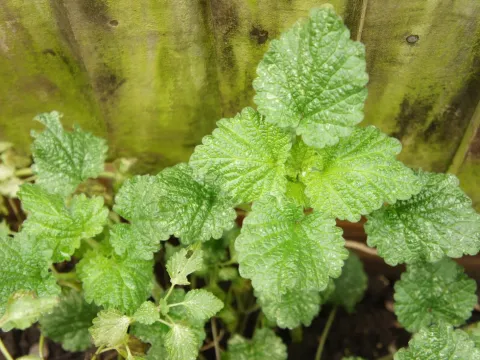
Horehound
Ballota
Sowing of Ballota is typically conducted in the spring once soil temperatures reach 8-10 degrees Celsius. In temperate climates, mid-April is optimal, allowing seeds to utilize stored moisture from the melting snow for germination.
What the section contains

Horehound
For establishing a crop, seeds are sown directly into the soil at a depth of no more than 1-2 centimeters. The plant exhibits slow initial growth, making weed control during the seedling stage a critical factor for successful establishment.
A seedling transplant method is also viable if maximum plant survival rates are required. Seedlings are transplanted into the open field at 45-60 days old, maintaining proper spacing to ensure adequate nutrition area for each plant.
Row spacing in commercial production is generally set at 40-50 centimeters. This allows for mechanized inter-row cultivation and prevents canopy closure, which can lead to poor air circulation and the subsequent development of fungal infections.
Following sowing, the soil should be lightly compacted to ensure optimal contact with the seeds. In arid conditions, immediate overhead irrigation is recommended to prevent the topsoil horizon from drying out prematurely.
Ballota belongs to the Lamiaceae family and is a characteristic plant of open spaces. It has high light requirements and prefers sites with full sun exposure, where it demonstrates the highest biological activity and active compound accumulation.
The culture is relatively undemanding regarding soil type, but achieves best results in light, sandy, or loamy soils with excellent drainage. It is highly sensitive to waterlogging, which causes root decay and the eventual loss of the plant stand.
The plant possesses high drought resistance, allowing it to survive periods of summer heat effectively. Mineral fertilizers should be applied sparingly on poor soils, with nitrogen applications controlled to avoid excessive vegetative growth at the expense of medicinal compound concentration.
Optimal pH levels for cultivation range from 6.0 to 7.5. On acidic soils, preliminary liming is necessary as Ballota thrives under neutral or slightly alkaline soil conditions.
In regions with harsh winters, the plant requires minimal protection as it possesses sufficient cold hardiness for most temperate zones. A critical factor is providing protection from desiccating winter winds, which can damage the plant's aerial parts during dormant periods.
The primary threats to Ballota are fungal diseases that develop due to poor aeration and high humidity levels. Powdery mildew can affect the leaves in the second half of summer, manifesting as a characteristic white coating on the foliage.
Root rots pose a serious risk when planted in heavy or compacted soils. Prevention is achieved through strict crop rotation and avoiding over-irrigation, especially during the active growth phase.
Among pests, aphids are the most frequent, damaging young shoots and inflorescences by feeding on plant sap, which reduces both the ornamental value and the quality of the harvested medicinal material. Integrated pest management using bio-pesticides or approved insecticides is recommended for heavy infestations.
The plant may also be prone to leaf-eating pests, such as certain species of weevils. Regular monitoring of the field is essential to identify problems early and minimize potential yield losses.
- Prevent powdery mildew through proper spacing and airflow.
- Control soil moisture levels to avoid root rot development.
- Monitor for aphids and sucking pests during the late spring and early summer.
Harvesting of Ballota raw material is conducted during the peak flowering stage, when the concentration of essential oils and active compounds in the aerial parts reaches its maximum. This typically occurs in mid to late summer, depending on the climatic zone.
Harvesting is performed using sickles or specialized mechanized harvesters, cutting the upper parts of the stems along with leaves and flowers. The basal part of the plant is left intact to ensure regeneration and the potential for a second harvest.
The harvested material must be transported to the drying facility immediately to prevent self-heating and the loss of sensitive biological compounds. Drying is performed in well-ventilated rooms or specialized dryers at temperatures not exceeding 40-45 degrees Celsius.
Storage of dried Ballota should be organized in paper bags or wooden containers in a dry, dark place. Properly dried material retains its natural color and characteristic aroma, which are key indicators of quality.
Economic uses include serving as a raw material for the pharmaceutical and nutraceutical industries. Thanks to the presence of terpenoids and other active compounds, the culture is valued for its potential sedative and antispasmodic properties.