
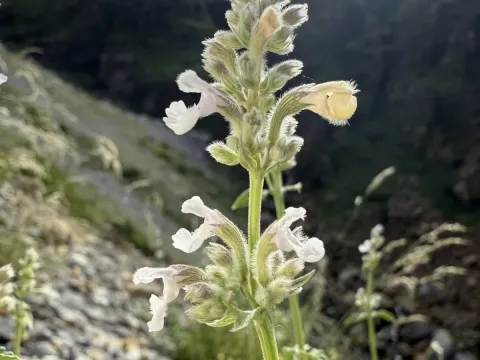
Nepeta nepetella
Nepeta nepetella
Sowing Nepeta nepetella should be carried out in early spring when the soil temperature consistently reaches 8–10 degrees Celsius.
What the section contains
Nepeta nepetella
The seeds are tiny, requiring a shallow sowing depth of 1–2 centimeters, ideally followed by light soil compaction to ensure proper contact for germination.
In large-scale farming, row spacing of 45–60 centimeters is recommended to allow for optimal air circulation and mechanical maintenance.
Before sowing, land preparation must be thorough, including the elimination of perennial weeds that could compete with the small, emerging seedlings.
Direct seeding is standard, but in cooler regions, greenhouse propagation followed by transplanting can shorten the growth cycle by several weeks.
This species thrives in full sun, which is critical for maximizing the synthesis of essential oils within the vegetative parts of the plant.
Well-drained, fertile soil is a requirement; the plant performs best in sandy or loamy soils that prevent waterlogging at the root zone.
While relatively drought-tolerant once established, Nepeta nepetella requires consistent moisture during the early vegetative stages for vigorous growth.
Soil pH should ideally be neutral to slightly alkaline, as highly acidic conditions can stunt growth and reduce oil content quality.
Proper field management should include regular cultivation between rows to maintain soil aeration and prevent soil compaction.
Crop yields for this species generally range from 15–25 centners per hectare of dried herbal material, depending on regional climatic conditions.
Optimal productivity is usually achieved from the second year onwards, once the root system has developed enough strength to support multiple harvests.
Double harvesting per season is possible in temperate zones, significantly increasing the total output of biomass and essential oils.
Harvesting at the correct phenological stage is crucial, as the chemical profile of the plant changes significantly as it moves from budding to full bloom.
Strategic fertilization, particularly with potassium and phosphorus, supports higher biomass production and improves the plant's overall stress resistance.
Common agricultural pests for this culture include aphids and various plant bugs, which can damage succulent tissues and decrease oil quality.
Powdery mildew is the most frequent disease, especially in dense plantings where humidity levels remain high and air circulation is limited.
Root rot remains a threat in heavy soils with poor drainage, which highlights the importance of field selection and site management.
Integrated pest management (IPM) strategies, including biological control, are preferred to maintain the organic standards often required for herbal raw materials.
- Regular monitoring of plant health.
- Avoidance of overhead irrigation during warm, humid periods.
- Effective weed control to reduce pest harborages.
Harvesting is ideally conducted during the peak flowering stage when essential oil accumulation is at its highest point in the plant.
Mowing should be performed 10–15 centimeters above the ground to ensure the plant can regenerate efficiently for future harvests.
Immediate post-harvest processing is vital; material should be transported to drying facilities or distillation units without delay to prevent spoilage.
Drying is typically performed under shade in ventilated areas or using controlled-temperature mechanical dryers to preserve delicate volatile compounds.
Following the final harvest of the season, maintaining soil health through light tilling and appropriate fertilization promotes faster regrowth the following spring.