
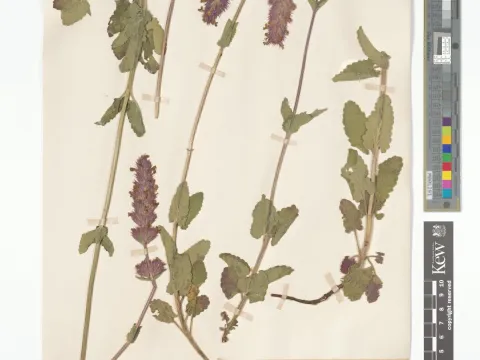
Nepeta multibracteata
Nepeta multibracteata
Nepeta multibracteata is typically sown in the spring when soil temperatures reach 8–10 degrees Celsius. Early spring sowing is recommended as soon as the soil is workable to ensure uniform germination across the field.
What the section contains
Nepeta multibracteata
Late autumn sowing is also a viable option, allowing seeds to undergo natural stratification in the soil. This method can lead to more vigorous and early growth of young plants during the following spring season.
Correct sowing depth is critical, as seeds should not be buried deeper than 1–2 centimeters. Proper soil packing after sowing is essential to ensure good contact between the tiny seeds and the soil surface for moisture absorption.
For commercial production, row spacing is generally maintained at 45–60 centimeters. This setup allows for adequate light penetration and facilitates mechanical weeding and cultivation processes.
Seeding rates are calculated based on germination rates, typically ranging from 3 to 5 kilograms per hectare. Utilizing high-quality, certified seeds is the foundation for establishing a dense and productive stand.
Belonging to the Lamiaceae family, this crop is known for its ecological plasticity. It performs best in well-lit locations with ample sunshine, which is vital for the optimal accumulation of essential oils.
The plant thrives in light, fertile soils with good aeration and drainage. Waterlogging is detrimental to its development, so farmers should prioritize sites with low water tables or well-structured loam soils.
Nepeta multibracteata is notably drought-tolerant due to its well-developed root system. However, providing regular irrigation during active growth phases can significantly boost biomass yield and overall quality.
A neutral or slightly alkaline soil pH is ideal for healthy development. If the soil is acidic, liming is recommended, as high acidity levels can severely inhibit plant growth and reduce overall productivity.
Effective agronomy includes regular inter-row cultivation to manage weeds and improve soil gas exchange. Weed control is especially critical during the early stages of development, when the plant is susceptible to competition.
The yield of Nepeta multibracteata green mass depends heavily on climatic conditions and agronomic management. Under favorable conditions, farmers can expect a yield of 15 to 25 tons of raw biomass per hectare.
Essential oil concentration varies according to the plant's phenological stage. The highest quality yields are achieved when harvesting occurs during full bloom, as active biological compounds are at their peak.
The number of harvests per season depends on the local climate and irrigation capabilities. While one primary harvest is standard, irrigation can often allow for a second regrowth harvest by the end of the summer.
The crop's economic viability is based on both the sale of dried medicinal material and the processing of essential oils. Modern mechanical harvesting methods help to minimize losses and maintain the integrity of the flowering tops.
A plantation typically remains productive for 3–4 years before requiring replanting. Proper soil restoration and crop rotation are essential steps once the plantation is decommissioned from production.
Root rot is the primary disease threat, usually stemming from excessive soil moisture. Preventive measures focus on ensuring proper field drainage and adhering to precise irrigation schedules to avoid stagnant water.
Powdery mildew may occur under conditions of high air humidity and significant temperature fluctuations. Maintaining good stand density and adequate air circulation is key to minimizing this risk in the field.
Leaf beetles and aphids are the most common pests affecting the crop. The use of biological pest control methods is advised to manage populations effectively without harming beneficial pollinating insects.
Nematode infestations can occur, especially if crop rotation is neglected. Selecting clean, disease-free land for planting is a fundamental strategy for mitigating the impact of soil-borne pests.
Phytosanitary clearing of the field after harvest is mandatory to remove crop residues that could harbor pathogens. This practice significantly reduces the infection pressure for the following growing season.
Harvesting is conducted during the full flowering phase to maximize the essential oil content. Timely harvesting is the most important factor in ensuring the pharmacological and aromatic quality of the final product.
Stems should be cut at a height of 10–15 centimeters above the soil surface. This technique promotes rapid regrowth from side shoots and ensures the plant's health and durability for subsequent harvests.
The harvested material must be dried immediately after cutting, ideally in shaded areas or professional driers. Drying temperatures must not exceed 40 degrees Celsius to prevent the loss of volatile aromatic compounds.
Transport logistics require well-ventilated containers to prevent overheating or spoilage during transit. Rapid delivery to the processing facility is crucial for maintaining top-tier quality standards.
Dried product should be stored in dark, dry, and well-ventilated warehouses. Proper storage conditions ensure that the medicinal and aromatic properties of the plant are preserved over long periods.