
Nepeta trachonitica
Nepeta trachonitica
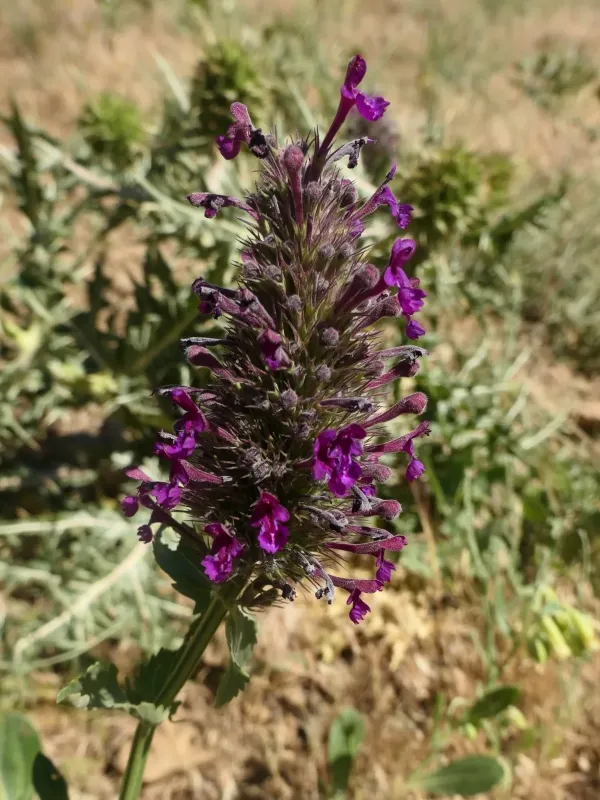
Description
Sowing dates
Nepeta trachonitica is a member of the Lamiaceae family. The most effective sowing time is early spring, once the soil has warmed sufficiently to ensure consistent germination.
Given the small size of the seeds, they should be sown at a shallow depth of approximately 0.5 to 1 cm, requiring ample light for successful emergence.
Field sowing usually employs a row method with spacing between 45 and 60 cm to allow for efficient weeding and canopy development during the growing season.
Optimal plant density is crucial for maximizing yield, with growers typically aiming for a specific number of plants per linear meter to ensure uniform growth.
Post-sowing irrigation is often required to keep the top layer of soil moist, as the seeds are sensitive to desiccation during the initial germination phase.
Growing requirements
This crop thrives in sunny locations with excellent exposure to direct sunlight, which is vital for both plant health and the production of aromatic essential oils.
Nepeta trachonitica displays significant drought tolerance once established, making it suitable for cultivation in regions with limited rainfall or hot summers.
Well-drained, sandy loam or loamy soils with a neutral pH are preferred, as they prevent waterlogging and promote deep root system development.
Heavy clay soils or areas prone to high moisture retention should be avoided, as the plant's roots are susceptible to rot under such conditions.
Strategic fertilization with potassium and phosphorus contributes to the overall vigor of the plants and improves the quality of the harvested essential oils.
Yield
The yield of Nepeta trachonitica is highly dependent on effective crop management and the specific environmental conditions during the flowering period.
With proper care and maintenance, growers can achieve two harvests per season, providing a substantial amount of biomass for extraction or herbal use.
The content of active compounds peaks during the early stages of mass flowering, making this the ideal time for harvesting the aerial parts of the plant.
Regular cultivation between rows is recommended to improve soil aeration, which significantly boosts vegetative growth and the plant's structural strength.
Yield tends to be higher in the second and third years of production compared to the establishment year, as the root system becomes more robust over time.
Main diseases and pests
Weed competition is the primary challenge for this crop, particularly during the first few weeks when young plants are slow to cover the ground.
Pests such as aphids and various leaf-feeding insects can cause damage, potentially reducing both the quality and quantity of the aromatic harvest.
Fungal diseases like powdery mildew can emerge under conditions of high humidity, poor air circulation, or overly dense planting patterns.
Integrated pest management, including crop rotation and the removal of infected debris, is the best strategy for minimizing the impact of these threats.
Biological control agents are preferred over heavy chemical treatments to ensure the final crop meets the standards for high-quality herbal and cosmetic products.
Harvesting
Harvesting is performed during the peak flowering stage to ensure the maximum concentration of essential oils is captured in the harvested biomass.
Mechanical harvesting should be done at a height of 10–15 cm to allow the plant to regenerate for subsequent cuts during the same growing season.
Speed is essential once the plants are cut; the material must be moved to a drying facility quickly to prevent moisture buildup and potential spoilage.
The material should be dried in a temperature-controlled environment, ideally below 40 degrees Celsius, to preserve volatile aromatic compounds.
Once dried to the desired moisture level, the product should be stored in airtight containers to maintain its aroma and active chemical composition.