
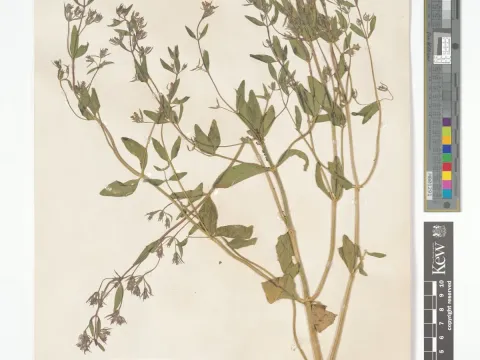
Nepeta stricta
Nepeta stricta
Nepeta stricta is a perennial herbaceous plant belonging to the Lamiaceae family. Sowing is typically performed in the spring, once soil temperatures consistently exceed 10–12°C.
What the section contains
Nepeta stricta
Seeds are small and should be sown at a shallow depth of 0.5–1 cm to ensure proper germination and prevent suffocation of the seedlings in heavy soils.
Standard agronomic practice requires row spacing of 45–60 cm to allow for weed management and optimal air circulation, which reduces the risk of fungal infections.
Direct seeding is common, but nursery-raised seedlings can be used for more uniform plant stands, especially when soil moisture levels are difficult to manage.
Uniformity in sowing depth and moisture levels is critical during the first month, as the establishment of a robust root system determines the yield potential.
This crop thrives in sunny, open locations as excessive shade inhibits the production of essential oils and leads to weak, elongated stems.
It prefers well-drained, fertile sandy or loamy soils with a neutral pH level, avoiding areas prone to waterlogging, which causes rapid root degradation.
Nepeta stricta exhibits notable drought resistance once established, making it suitable for regions with erratic rainfall patterns during the growing season.
Soil cultivation should be performed periodically to keep the topsoil loose, thereby encouraging better aeration and water infiltration in the root zone.
Providing adequate potassium and phosphorus fertilizers in early spring significantly boosts the plant's vigor and its ability to withstand winter dormancy.
The biomass yield of Nepeta stricta can reach 15–25 tons per hectare per season, provided the crop is managed with optimal weeding and nutrient practices.
The essential oil content is highest when the plant is harvested at the onset of mass flowering, making precise timing crucial for economic viability.
Effective management includes secondary harvesting, as the plant typically regrows quickly after the first cut, allowing for two harvests per year in warm climates.
Plantations can remain productive for up to 5–7 years, after which the vigor of the plants typically declines and replacement becomes necessary.
Yield stability is strongly influenced by the absence of weeds, which compete with the crop for sunlight, water, and essential soil nutrients.
Common pests include beetles and certain species of bugs that feed on the foliage and floral parts, causing direct physical damage and reducing raw material quality.
Fungal diseases such as powdery mildew and root rots are the primary threats, especially in environments with poor drainage and high ambient humidity.
Integrated pest management strategies are recommended, focusing on maintaining field hygiene and selecting sites with good natural ventilation.
Application of fungicides should be limited to the early vegetative stages to prevent any contamination of the aromatic oils harvested from the flowers.
- Monitoring for insect infestations.
- Removal of infected plant residues.
- Strategic weed control.
- Avoiding excessive nitrogen applications.
The harvest should occur when the plants are in full bloom, which ensures the highest concentration of active aromatic compounds in the harvested material.
Mowing should be performed at a height of 10–15 cm, as leaving a portion of the lower stem supports faster physiological recovery of the plant.
Immediate drying or processing is essential to prevent degradation of volatile oils, which are highly sensitive to high temperatures and prolonged sun exposure.
Post-harvest handling involves drying in shadowed, well-ventilated areas or controlled-temperature kilns to preserve the plant's unique fragrance profile.
Storage requires dry, cool conditions to maintain the quality of the harvested essential oils and dried botanical material for later industrial use.