
Nepeta latifolia
Nepeta latifolia
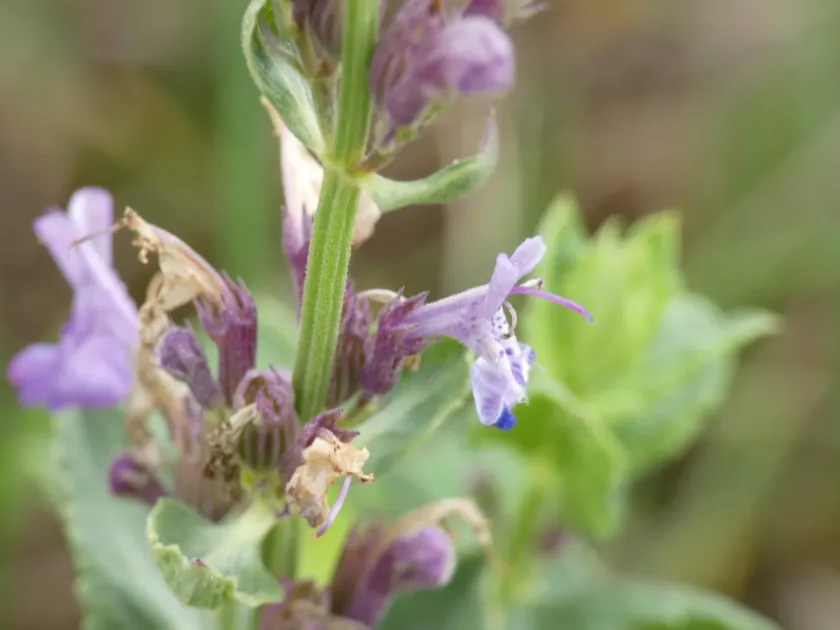
Description
Sowing dates
Nepeta latifolia is a perennial essential oil plant belonging to the Lamiaceae family. The optimal time for field seeding is early spring, once soil temperatures reach 6-8 degrees Celsius to ensure steady germination.
Autumn sowing is also an option, allowing seeds to undergo natural stratification over the winter period. When using the transplanting method, seeds should be sown in trays or greenhouses during March to prepare seedlings for field planting by May.
Seeds should be sown at a shallow depth of approximately 0.5–1 cm, as they require sufficient light to germinate effectively. After sowing, the soil should be lightly compressed to ensure good contact between seeds and the soil surface.
The standard seeding method involves wide-row spacing of 45–60 cm. This configuration facilitates efficient mechanical weeding and maintenance of the plots throughout the growing season.
Once seedlings emerge, thinning is required to maintain a distance of 20–30 cm between individual plants. This density allows for optimal nutrient uptake and promotes air circulation, reducing the risk of fungal growth.
Growing requirements
The crop performs best in well-lit areas with fertile loamy or sandy soils, ideally with a neutral to slightly alkaline pH. Excessive waterlogging must be avoided as it is detrimental to the plant's root system.
Nepeta latifolia requires a temperate climate with plenty of sunlight, as the accumulation of essential oils is directly proportional to photosynthetic intensity. The plant exhibits high frost resistance and can overwinter in open fields.
Fertilization must be balanced, as excess nitrogen promotes excessive foliage at the expense of oil quality. Application of phosphorus and potassium fertilizers during the budding phase is recommended to boost oil production.
Weed control is critical during the first year of cultivation, as young plants grow slowly and are easily suppressed by competitive flora. Early mechanical weeding is essential to establish a uniform crop stand.
Effective drainage is a prerequisite for planting, as stagnant water in spring can lead to the rotting of the root crown and significant thinning of the plantation.
Yield
The yield of green biomass depends on the agricultural management and the age of the plantation, peaking in the second and third years. On average, yields reach 10–15 tons of raw biomass per hectare.
The essential oil content in dry matter typically ranges from 0.5% to 1.2%, making it a viable crop for industrial processing. Total oil output per hectare can reach 20–40 kg when harvesting protocols are strictly followed.
Harvesting is conducted during the mass flowering phase, when the concentration of aromatic compounds in the leaves and flowers is at its highest. This timing is essential for maximizing the market value of the essential oil.
Supplemental irrigation during drought periods allows for two full harvests per season in southern regions, significantly increasing the overall profitability of the field.
Post-harvest, the biomass must be dried immediately at temperatures not exceeding 40 degrees Celsius. Rapid drying is necessary to prevent the evaporation of volatile aromatic components.
Main diseases and pests
Leaf-eating insects, such as meadow moths or various weevils, pose the primary threat to the crop. These pests cause damage by feeding on young leaves and developing shoots during the early stages of growth.
High humidity can lead to outbreaks of fungal diseases, such as powdery mildew. Maintaining proper planting density and rotating crops are the most effective preventive measures against fungal infections.
Fusarium wilt may appear, manifesting as the yellowing and drying of individual plant branches. Affected plants should be immediately removed and destroyed to prevent the spread of fungal spores.
Weed management is the most significant biological challenge during the establishment year. The use of chemical protection should be minimized and restricted to periods before the onset of flowering.
Regular plantation monitoring is essential to identify early signs of infestation or disease, allowing for timely intervention and protecting the long-term productivity of the field.
Harvesting
Mechanical harvesting is carried out using specialized forage harvesters. The plants should be cut at a height of approximately 10–12 cm from the soil surface to ensure rapid regeneration for the next cut.
Harvesting is best performed in the morning, once the dew has fully evaporated. Processing moist material is inefficient and risks degradation of the aromatic quality of the biomass due to self-heating.
Prompt transport to drying facilities or processing plants is critical. Minimizing the time between harvesting and processing preserves the essential oil profile and ensures high-quality end products.
Dried herbs should be stored in well-ventilated, low-humidity storage units to maintain their aromatic potency for extended periods before distribution.
Following harvest, field maintenance includes cleaning up plant residues and preparing the soil for winter dormancy, ensuring the plantation remains healthy for subsequent years.