
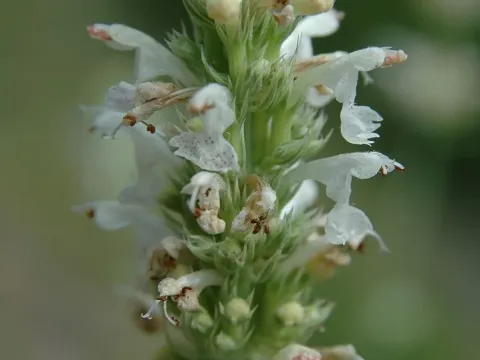
Nepeta spruneri
Nepeta spruneri
The sowing of Nepeta spruneri is typically carried out in early spring once soil temperatures reach a consistent 8–10 degrees Celsius. Due to the very small size of the seeds, they should be sown at a shallow depth of approximately 1–2 centimeters.
What the section contains
Nepeta spruneri
Row planting with spacing between 45 and 60 centimeters is recommended to facilitate weed control and maintenance. Autumn sowing is also an option, as the seeds undergo natural stratification, leading to earlier emergence during the following spring.
Proper seedbed preparation is vital: the surface must be leveled and lightly compacted to ensure adequate moisture contact. This step is critical for achieving a uniform stand of plants across the entire field.
Transplanting seedlings started in greenhouses is a viable alternative to direct seeding. This method ensures a robust plant population and helps the crop gain a competitive advantage over potential weeds in the early stages.
Seeding rates depend on seed germination percentages and the specific sowing method, typically averaging between 2 and 4 kilograms per hectare to maintain optimal plant density.
Nepeta spruneri, a member of the Lamiaceae family, is a sun-loving plant that requires well-illuminated environments. High sunlight exposure is crucial for the development of aromatic oils and overall plant vigor.
The species thrives in light, well-draining sandy loam or loamy soils. Waterlogged conditions are detrimental to the plant and must be avoided through careful field selection and proper land drainage management.
This crop is characterized by high climate adaptability, demonstrating excellent resistance to both drought and cold temperatures. It is well-suited for cultivation in temperate zones with varying seasonal weather patterns.
Effective weed management is essential during the early stages of development. As a relatively slow-starting seedling, the crop requires protection from invasive weed species to ensure healthy initial growth.
Application of balanced fertilizers, particularly during the vegetative phase, promotes the production of biomass. Phosphorus and potassium are especially beneficial during the budding stage to enhance oil quality.
Due to its high content of volatile oils and specific terpenoids, Nepeta spruneri exhibits natural resistance against many common pests, making it a relatively low-maintenance crop in terms of pesticide usage.
The main threats to the plant are root-related diseases often caused by excessive soil moisture and poor drainage. Maintaining proper soil aeration is the most effective preventative measure against root rot.
Fungal infections, such as powdery mildew, may occur during seasons characterized by high humidity and poor ventilation within the canopy. Avoiding dense planting helps maintain air circulation and reduces disease risk.
In rare instances, local insect populations may cause minor damage to the foliage, but these issues rarely reach economic thresholds if standard agronomic practices are strictly followed.
A sound crop rotation strategy is highly recommended to minimize the accumulation of soil-borne pathogens, ensuring the long-term health and productivity of the perennial planting.
Harvesting is performed during the peak flowering stage when the concentration of essential oils within the plant tissues is at its highest point. This timing is critical for maximizing the economic yield.
The above-ground biomass is harvested by cutting the plants at a height of 10–15 centimeters above the soil surface. This allows for sufficient regeneration of the plants for subsequent harvests or future seasons.
Post-harvest, the raw material must be transported immediately for processing or drying to prevent fermentation. Delaying this process leads to significant losses in volatile aromatic components.
Drying should be conducted in shaded, well-ventilated areas or in controlled-temperature dryers not exceeding 40 degrees Celsius to preserve the quality and color of the harvested herbal product.
Depending on local climatic conditions and management intensity, it is often possible to achieve two harvests within a single growing season, significantly increasing the profitability of the operation.