
Nepeta hindostana
Nepeta hindostana
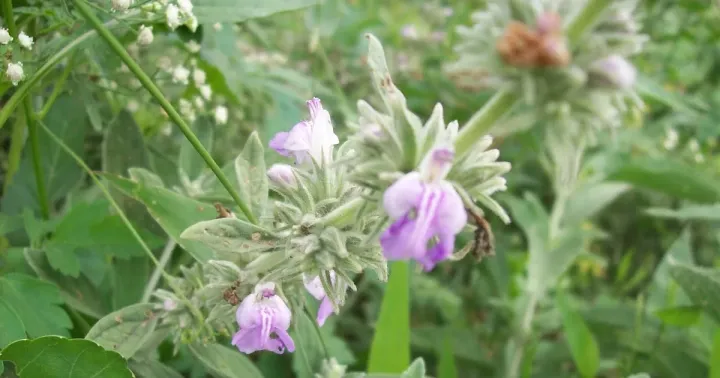
Description
Sowing dates
Nepeta hindostana is a perennial herbaceous plant belonging to the Lamiaceae family. It is characterized by a strong root system and branched stems that reach a height of 50–60 cm, making it a robust crop for various environments.
Seeds of this plant show high germination rates when sown in well-prepared, warm soil. The optimal sowing time is early spring, once the danger of night frosts has passed and soil temperature reaches at least +10 to +12 degrees Celsius.
When planning plantations, it is essential to follow a spacing strategy that ensures sufficient nutrition area for each plant. A row-seeding method with 45–60 cm between rows is commonly used to allow for mechanical cultivation and maintenance.
The seeding depth should be minimal, as the small seeds require shallow placement to ensure uniform germination. Typically, a depth of 1–2 cm is recommended, followed by soil compaction to improve contact between seeds and soil moisture.
In addition to propagation via seeds, Nepeta hindostana can be successfully propagated vegetatively by dividing established clumps in spring or autumn, which is an effective method for small-scale production.
Growing requirements
Nepeta hindostana requires open, sunny locations for optimal development. Exposure to direct sunlight is crucial, as shading significantly reduces the accumulation of essential oils in the plant's leaves and stems.
The crop thrives in light, well-drained soils such as sandy loams or loams with a neutral pH. Proper drainage is vital, as the plant is susceptible to root rot if water stagnation occurs in the root zone.
The species possesses significant drought tolerance, attributed to the fine pubescence on its leaves and stems that reduces water loss. However, supplemental irrigation is necessary during active growth phases to maximize biomass yield.
Regarding soil fertility, Nepeta is moderately demanding. On nutrient-poor soils, applying phosphorus and potassium fertilizers promotes better shoot maturation and increases the concentration of aromatic compounds.
The plant adapts well to a variety of climates, showing potential for cultivation in regions ranging from high-altitude areas to lowland plains with warm summer seasons.
Main diseases and pests
The primary pests affecting Nepeta hindostana include leaf beetles and aphids, which can damage foliage and stems, potentially reducing the overall quality and commercial value of the harvested plant material.
High humidity and poor ventilation often create favorable conditions for fungal diseases, such as powdery mildew or various forms of root rot, which appear as white coatings or wilting of the stems.
Preventing diseases largely depends on cultural practices, including crop rotation and ensuring sufficient air circulation between rows. Avoiding over-dense planting is essential to maintain a healthy microclimate.
When pest outbreaks occur, integrated pest management or biological control methods are preferred, especially given the plant's common use in medicinal and herbal applications, which often requires chemical-free standards.
Routine monitoring of the crop, especially during the flowering stage, is recommended to identify any potential issues early and mitigate losses through timely intervention.
Harvesting
The harvest of Nepeta hindostana is performed during the mass flowering stage, which is the point at which the concentration of essential oils and other bioactive compounds reaches its peak.
Harvesting involves mowing the aerial parts of the plants at a height of 10–15 cm from the ground. This method allows for quick regrowth and potentially a secondary harvest under favorable weather conditions.
Once harvested, the raw material must be transported to drying facilities immediately to prevent heating and the degradation of volatile aromatic compounds that characterize the quality of the crop.
Drying is conducted in shaded, well-ventilated areas or in controlled dryers at temperatures not exceeding +40 degrees Celsius to preserve the chemical integrity of the essential oils.
After the material is thoroughly dried, it is cleaned of debris, sorted, and packaged in airtight containers to ensure long-term stability and protection from environmental factors.