
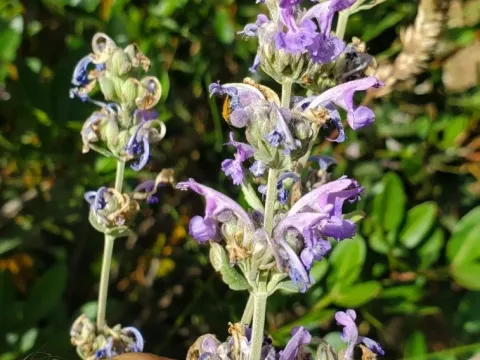
Nepeta curviflora
Nepeta curviflora
Sowing of Nepeta curviflora is typically conducted in early spring once soil temperatures reach 10–12°C. Late autumn sowing is also a viable strategy, allowing for natural seed stratification which ensures more uniform germination in the spring.
What the section contains
Nepeta curviflora
For greenhouse seedling production, seeds should be sown 40–50 days before the scheduled outdoor transplanting. This nursery stage helps establish a vigorous root system, improving plant survival rates.
The recommended planting density involves rows spaced 45–60 cm apart, with individual plants positioned 20–30 cm apart within the rows. Maintaining proper spacing is crucial for canopy aeration and disease prevention.
Seeds should be covered with a thin layer of soil, no more than 1–1.5 cm deep. Following sowing, the soil should be lightly compacted to ensure consistent seed-to-soil contact, which is vital for moisture uptake.
During the seedling emergence phase, irrigation must be carefully managed to keep the soil moist but not waterlogged. Weed control is essential during the initial growth stages to prevent young plants from being outcompeted.
Nepeta curviflora belongs to the Lamiaceae family. It is a perennial herbaceous plant known for its complex chemical profile and aromatic volatile oils, which are highly valued in various industries.
The crop thrives in sunny locations with well-draining, fertile soils. Sandy loam and light loamy soils are ideal, provided they have a neutral pH. Excessive moisture or waterlogged conditions are detrimental to root health.
This species is noted for its high drought and frost tolerance, making it adaptable to a wide range of climatic conditions. However, optimal yields are achieved in areas with consistent moisture during the peak vegetative stage.
Regular cultivation and weeding between rows are necessary to prevent weed encroachment. Fertilizer application should be balanced, with an emphasis on phosphorus and potassium to boost essential oil production rather than excessive vegetative growth.
Proper field selection is a fundamental requirement for successful production. Avoiding areas with stagnant water or high water tables will prevent root rot and ensure the longevity of the perennial stand.
Common pathological issues in Nepeta curviflora include powdery mildew and various leaf spot diseases, especially under conditions of high humidity and poor air circulation. Sanitation is key to disease management.
Aphids and leaf beetles are the primary pests affecting this crop. They feed on tender foliage and reproductive structures, which can significantly reduce biomass and the essential oil content of the harvest.
Integrated Pest Management (IPM) practices, including strict crop rotation, should be used. Nepeta should not be replanted in the same field for at least four to five years to break pest and disease cycles.
Bio-pesticides or localized treatments may be applied if infestation thresholds are met. Given the crop's use in medicine and food, pesticide usage must strictly adhere to safety intervals and regulatory standards.
Monitoring for signs of pest damage or fungal pathogens should be done regularly throughout the growing season. Early detection is the most effective way to manage threats without extensive intervention.
Harvesting is executed during the peak flowering phase, as this is when the concentration of essential oils is at its highest. This timing is critical for ensuring the commercial quality of the aromatic product.
Mowers are used to cut the plants at a height of 15 cm above the soil surface. Minimizing the collection of woody stems is essential to maintain high-quality oil extraction and reduce processing costs.
Harvested material must be transported immediately to drying facilities. If left in large piles, the biomass can generate heat, causing the loss of volatile compounds and promoting spoilage.
Drying is conducted in well-ventilated rooms or controlled dryers at temperatures not exceeding 40°C. This temperature control preserves the chemical integrity and the vibrant color of the foliage.
Once dried, the product should be stored in hermetically sealed containers to protect it from light, moisture, and pests. Nepeta curviflora is widely utilized in the pharmaceutical and fragrance industries.