
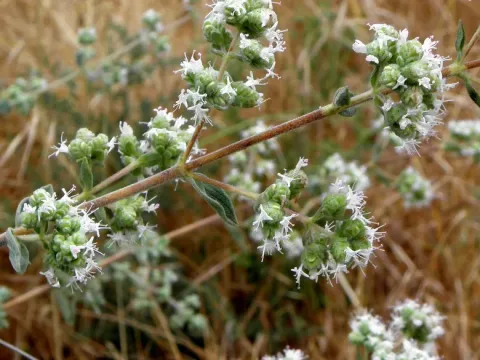
Nepeta congesta
Nepeta congesta
Nepeta congesta is a perennial herbaceous plant belonging to the Lamiaceae family. Sowing is best performed in early spring once soil temperatures reach 10–12°C or during late autumn for winter dormancy.
What the section contains
Nepeta congesta
For nursery production, seeds should be sown in trays 45–60 days before the final transplanting date. Given the small size of the seeds, they should be covered with only a thin layer of soil to ensure germination.
Uniform germination requires consistent moisture and ambient temperatures between 18–20°C. Standard field planting uses spacing of 40–50 cm between rows and 20–30 cm between individual plants.
This crop is known for its strong regenerative capacity, allowing established plantations to remain productive for 5–7 years with proper maintenance.
Seed longevity typically lasts up to three years, though using fresh seed is recommended to maximize the emergence rate and overall stand uniformity.
Nepeta congesta requires full sun exposure to thrive, as shade significantly reduces essential oil synthesis. It is highly drought-tolerant and performs poorly in waterlogged environments.
The ideal soil conditions include light, sandy loam or well-drained loamy soils with a neutral to slightly alkaline pH, which promotes deep root development.
Maintaining adequate soil aeration through regular cultivation between rows is essential for the crop's long-term health and biomass accumulation.
The plant exhibits excellent cold hardiness, making it suitable for cultivation across a broad range of temperate climate zones without the need for winter protection.
Controlled nitrogen application early in the growing season significantly improves vegetative growth, which is critical for biomass yield in commercial production.
Root rot is the most common physiological challenge, typically appearing in poorly drained soils or areas with excessive moisture, leading to systemic decay.
Powdery mildew can affect the foliage during periods of high humidity and stagnant air, necessitating proper spacing and potentially the use of organic fungicides.
Flea beetles are a notable threat to young seedlings and can cause substantial damage if not controlled during the initial stages of establishment.
Aphids and spider mites may infest the canopy during hot, dry spells, potentially reducing the quality of the harvested herbal material.
Integrated pest management strategies focusing on monitoring and biological controls are preferred to ensure the quality and purity of the harvested crop.
Harvesting should be timed to coincide with the peak flowering period, which corresponds to the highest concentration of volatile aromatic oils in the plant tissues.
Plants are harvested by mowing the above-ground biomass at a height of 10–15 cm, ensuring the root crown remains intact for future seasonal regrowth.
Immediate post-harvest processing is required, involving shade drying in well-ventilated areas to preserve the delicate essential oils and vibrant green color.
If the season allows, secondary harvesting can be achieved by providing irrigation and nutrients immediately following the primary cut.
Properly cured and dried product should be stored in air-tight containers away from direct sunlight to prevent degradation of its medicinal and aromatic characteristics.