
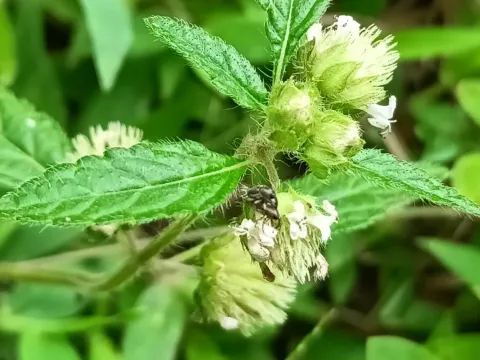
Hyptis atrorubens
Hyptis atrorubens
Hyptis atrorubens is a tropical plant that requires warm temperatures and stable conditions for successful germination. Sowing is typically carried out at the beginning of the rainy season to ensure sufficient moisture for the early development of seedlings.
What the section contains
Hyptis atrorubens
Seeds should be sown in prepared beds at a shallow depth of approximately 0.5–1 cm. Given the small size of the seeds, surface sowing or light covering is essential to prevent poor emergence rates in field conditions.
Optimal spacing is required to ensure that each plant has enough room for canopy development, which is crucial for maximizing yield. Mechanized seeding can be employed to maintain uniformity in row spacing.
Proper soil preparation, including loosening and nutrient enrichment, significantly improves the success of direct sowing. Once sown, the fields should be lightly compacted to maintain contact between the seed and soil moisture.
Regular irrigation is vital during the germination phase if rainfall is insufficient. Seedlings usually emerge within two weeks, provided that the soil temperature is consistently within the optimal range of 22–25 degrees Celsius.
This species, a member of the Lamiaceae family, adapts well to various soil types but thrives best in fertile, well-drained loams. Proper aeration of the soil is critical to prevent root decay and support vigorous growth.
Climate requirements include high solar intensity and protection from frost, as the plant is extremely sensitive to low temperatures. It performs optimally in tropical environments with high humidity but requires good ventilation.
Mineral nutrition should be managed to balance vegetative growth and the accumulation of secondary metabolites. Periodic soil testing is recommended to ensure correct pH levels, which should ideally range between 6.0 and 7.0.
Hostile conditions, such as prolonged waterlogging, should be avoided to protect the health of the root system. Proper field drainage systems are an important component of the overall agricultural infrastructure.
- Ideal temperature: 24–32°C.
- Light requirement: Full sun exposure.
- Watering: Moderate, with well-drained soil.
Yield capacity for Hyptis atrorubens is closely linked to the fertility of the soil and the intensity of the crop management program. Under optimal conditions, producers can achieve high biomass yields per hectare.
Proper nutrient management, particularly with nitrogen-rich fertilizers during the early growth phase, supports the development of lush foliage. Secondary fertilization with potassium promotes plant resilience and oil quality.
The timing of the harvest is critical; it should occur during peak flowering when the concentration of essential chemical components is at its maximum. Timely harvesting also allows for secondary regrowth in some climates.
Yield variations can occur based on regional climate differences and the specific population or cultivar used. Standardizing the harvest process ensures a consistent quality of raw material.
Proper post-harvest processing is essential to maintain the economic value of the biomass. This includes immediate drying in controlled conditions to prevent microbial growth or degradation of active compounds.
Common agricultural pests for this crop include aphids and other sap-sucking insects that can stunt plant growth. Integrated pest management, focusing on biological controls, is highly effective for this plant.
Fungal pathogens often appear in fields with excessive moisture or inadequate spacing between plants. Maintaining proper airflow and sanitation of tools is the best way to prevent the spread of these diseases.
Weeds pose a significant challenge during the first weeks of growth, as they compete for sunlight and nutrients. Early mechanical or hand weeding is essential to give the crop a competitive advantage.
Nematode infestations in sandy soils can be a hidden threat, so crop rotation is a necessary practice. Avoid planting this crop in fields where similar plants have been grown in the previous years.
Field hygiene, such as the removal of post-harvest debris, helps prevent the overwintering of pests and pathogens. Regular scouting ensures that any outbreaks are identified and addressed early.
Harvesting Hyptis atrorubens involves cutting the plant at a specific height above the ground, usually around 10–15 cm, to allow for regeneration. Sharp tools must be used to prevent damaging the stems.
The harvested material must be kept clean and free from soil or foreign debris during the collection process. Immediate drying in a shaded, well-ventilated environment protects the quality of the raw biomass.
Large-scale operations may use mechanical harvesters, but care must be taken to minimize bruising of the plant tissues. The moisture content should be reduced rapidly to stabilize the chemical composition.
After the material has reached the desired dryness, it is usually sorted and packed in containers that allow for continued airflow while protecting from moisture. Proper storage conditions are essential for longevity.
The quality of the final harvest is evaluated based on the potency and purity of the plant matter. Maintaining high standards during the harvesting and post-harvest phases is essential for commercial success.