
Hyptis crenata
Hyptis crenata
Description
Growing requirements
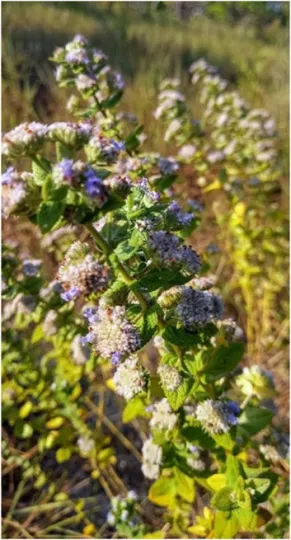
Hyptis crenata is a notable herbaceous plant belonging to the Lamiaceae family. Native to the tropical regions of South America, particularly Brazil, it has gained recognition for its significant medicinal and aromatic properties.
The plant thrives in warm, tropical climates and requires well-drained, fertile soils with a slightly acidic to neutral pH level. It performs best in areas with high sun exposure, which is essential for the optimal synthesis of its secondary metabolites.
Watering management is crucial for the successful cultivation of this species. While it enjoys consistent moisture, it is highly sensitive to waterlogging, which can easily trigger root rot and inhibit plant development.
In terms of agrotechnology, planting should occur during the rainy season to allow the seedlings to establish a strong root system. Spacing should be maintained to ensure proper airflow, preventing the development of humidity-related diseases.
Commercially, Hyptis crenata is cultivated primarily for its volatile oils. Research indicates that its extracts possess strong antioxidant, analgesic, and anti-inflammatory activities, making it a high-value crop for botanical medicine.
Main diseases and pests
The most common diseases affecting Hyptis crenata are fungal infections such as powdery mildew and various leaf spot pathogens, which typically flourish in high humidity or dense canopy conditions.
Insect pests include aphids and mites, which can cause severe physiological stress by feeding on the tender shoots and leaves. Integrated pest management strategies are highly recommended to protect the crop yield.
Soil-borne nematodes can pose a long-term threat to the root system, especially in monoculture systems. Crop rotation with non-host species is an effective cultural practice to minimize these populations.
Weed competition is significant during the early vegetative stages, as the plant can be slow to establish its ground cover. Hand weeding or light hoeing is necessary to maintain a clear path for nutrient uptake.
Adhering to strict sanitation protocols, including the removal of infected plant debris and proper soil preparation, is essential for maintaining a healthy and productive crop throughout the growing season.