
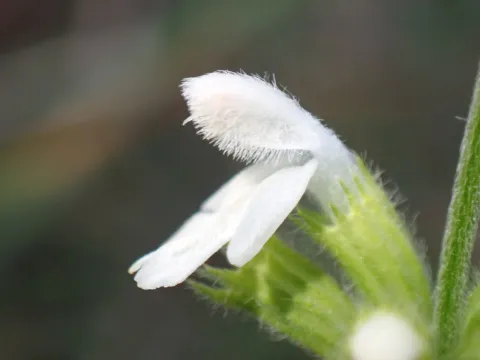
Leucas lanata
Leucas lanata
Leucas lanata, a member of the Lamiaceae family, is a herbaceous perennial known for its distinctive woolly appearance caused by dense trichomes covering its stems and leaves. This adaptation helps the plant thrive in harsh, sunny environments.
What the section contains
Leucas lanata
The native habitat of this species includes the tropical regions of Asia, specifically India. It typically inhabits dry, open areas, rocky slopes, and grasslands where competition for light is minimal, but tolerance for heat is necessary.
Soil requirements for Leucas lanata emphasize excellent drainage. The plant thrives in sandy or light loamy soils with a near-neutral pH. It cannot tolerate waterlogged conditions, as its root system is highly susceptible to decay under anaerobic conditions.
In terms of climate, it prefers warm and arid conditions. It flourishes at temperatures between 20°C and 30°C. Its ability to withstand prolonged dry periods makes it an ideal candidate for agricultural development in regions prone to seasonal water shortages.
Economically, the plant is primarily cultivated for its medicinal properties. The extract from its leaves and flowering tops is valued in traditional medicine for its anti-inflammatory and antiseptic qualities, making it a niche crop for the herbal industry.
Fungal pathogens are the most significant threat to Leucas lanata crops. Excess moisture or humidity often leads to root rot or stem rot, which can quickly devastate a plantation if not managed through proper irrigation techniques.
Pests such as aphids and spider mites are frequent invaders. They feed on the sap of the plant, weakening the overall structure and reducing the concentration of essential phytochemicals that determine the quality of the raw material.
Weed management is a significant challenge during the initial growth stages. Given its relatively slow development rate, the plant is often outcompeted by aggressive weeds if the field is not kept clean during the first weeks after germination.
Effective management strategies should include wide row spacing to promote air circulation and the use of mulch to control weeds. Minimizing soil compaction is also vital to keep the root system oxygenated and healthy.
Regular field inspection is recommended to detect early infestations. If necessary, organic pest control measures should be employed to ensure the chemical safety of the harvest, which is critical for medical applications.