
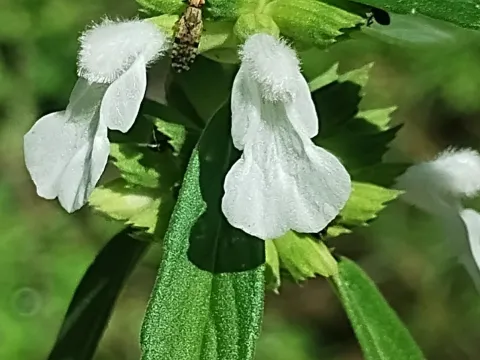
Leucas lavandulifolia
Leucas lavandulifolia
Leucas lavandulifolia is an annual herbaceous plant belonging to the Lamiaceae family. Native to tropical regions of Asia, it is well-adapted to warm climates where the growth cycle begins with the onset of the monsoon season, which provides the necessary moisture for germination.
What the section contains
Leucas lavandulifolia
For cultivation purposes, seeds should be sown in prepared soil once temperatures consistently stay above 20 degrees Celsius. The seeds are small, so planting depth should be limited to 1–2 centimeters to ensure successful emergence and healthy growth of the seedlings.
Proper spacing is essential to prevent overcrowding, which can lead to poor air circulation and disease development within the canopy. Consistent seed density is key to maintaining a high-quality crop throughout the growing season.
Germination typically occurs within 7 to 14 days, depending on soil moisture levels and temperature. During this initial stage, it is crucial to protect the young plants from extreme heat and ensure that the soil remains moist but not waterlogged.
Planning the sowing period is vital for maximizing the vegetative phase before the plant transitions into its flowering stage. A well-timed planting allows for the best possible accumulation of biomass and secondary metabolites.
The plant thrives in well-drained, sandy loam soils that offer good aeration. It is highly sensitive to waterlogged conditions, making proper drainage systems a requirement for large-scale agricultural operations to prevent root rot.
Leucas lavandulifolia is a sun-loving plant that requires full exposure to sunlight to develop its maximum potential. Insufficient light levels lead to etiolation, reduced biomass, and lower concentrations of essential oils and other active compounds.
The ideal temperature for active growth ranges between 25 and 30 degrees Celsius. While the plant can tolerate short periods of dryness, it performs best in regions with moderate, consistent rainfall or well-managed irrigation systems.
Soil fertility management should involve balanced NPK fertilization, with nitrogen promoted in the early vegetative stage and phosphorus and potassium prioritized once the flowering buds begin to form.
Environmental conditions should also be monitored for humidity, as high moisture levels combined with poor ventilation create an ideal breeding ground for fungal pathogens. Therefore, site selection is the most important factor in its agronomy.
The yield of Leucas lavandulifolia is measured by the total amount of dried above-ground biomass, which is the primary source of the plant's therapeutic and cosmetic compounds. Proper care can result in a high-yield harvest.
Harvesting at the correct time is essential for maximizing quality. Peak accumulation of active ingredients occurs during the stage of maximum flowering, making this the ideal time for commercial harvesting.
This crop is recognized for its various traditional uses, including applications in treating skin issues and inflammatory conditions. Its secondary metabolites are increasingly being studied for their potential in modern pharmaceutical formulations.
Beyond its medicinal role, the plant contributes to local agricultural biodiversity and acts as a beneficial nectar source for pollinators. Integrated management practices help in maintaining its productivity over several cycles.
Economic profitability depends on the cost of processing and the market demand for raw medicinal ingredients. Advanced extraction techniques allow for the recovery of valuable components, significantly adding value to the cultivated raw material.
The most significant threat to a Leucas plantation is fungal infections, such as those caused by Fusarium species, which thrive in moist or poorly drained soils. Preventing soil saturation is the primary defense strategy.
Pests like spider mites and aphids are known to feed on the tender leaves of Lamiaceae species. Regular inspection and the use of eco-friendly biological control agents are effective ways to manage these populations without damaging the plant's quality.
Weed management is critical, especially during the early growth phase when the crop is still establishing its root system. Mechanical weeding is preferred over chemical herbicides to ensure the final product remains free of synthetic residues.
Strict adherence to crop rotation cycles is required to avoid the buildup of soil-borne pathogens. Rotating Leucas with non-host crops, such as cereals, can significantly improve the health of the soil and the success of the harvest.
Monitoring the field for early signs of disease, such as wilting or leaf discoloration, allows for quick intervention. Keeping the plantation healthy and stress-free is the best defense against environmental and biological threats.
Harvesting should be conducted on a dry, sunny day once the morning dew has evaporated. This practice is essential to prevent the degradation of leaves and to ensure that the moisture content of the harvested material remains low.
The plants are typically harvested by cutting the stems about 5–10 centimeters above the ground, allowing for a secondary regrowth if conditions remain favorable. Efficient harvesting equipment is used for large-scale operations.
Post-harvest processing involves immediate drying of the raw material in a temperature-controlled environment. Drying temperatures should not exceed 45 degrees Celsius to protect the essential oils and other thermolabile compounds.
Once dried, the biomass is cleaned of debris and foreign matter. The final quality of the raw material is determined by its color, aromatic intensity, and purity, which are critical parameters for its industrial and medicinal application.
Proper storage in moisture-proof containers in a cool, dark, and well-ventilated location ensures the long-term stability of the plant's active compounds. Maintaining strict quality standards is necessary to satisfy market and pharmaceutical requirements.