
Leucas flaccida
Leucas flaccida
Description
Growing requirements
Leucas flaccida is an annual herbaceous plant belonging to the Lamiaceae family. It is native to tropical and subtropical regions of Asia, where it typically thrives in waste lands, field edges, and disturbed soils.
The plant requires well-drained, sandy loam soils to flourish. It is sensitive to waterlogging, so site selection should prioritize areas with excellent drainage systems to prevent root rot and related fungal issues.
Regarding climate, Leucas flaccida prefers warm environments with high humidity levels during the growing season. While it is adapted to high light intensity, it can tolerate partial shade, which is often beneficial during peak summer temperatures.
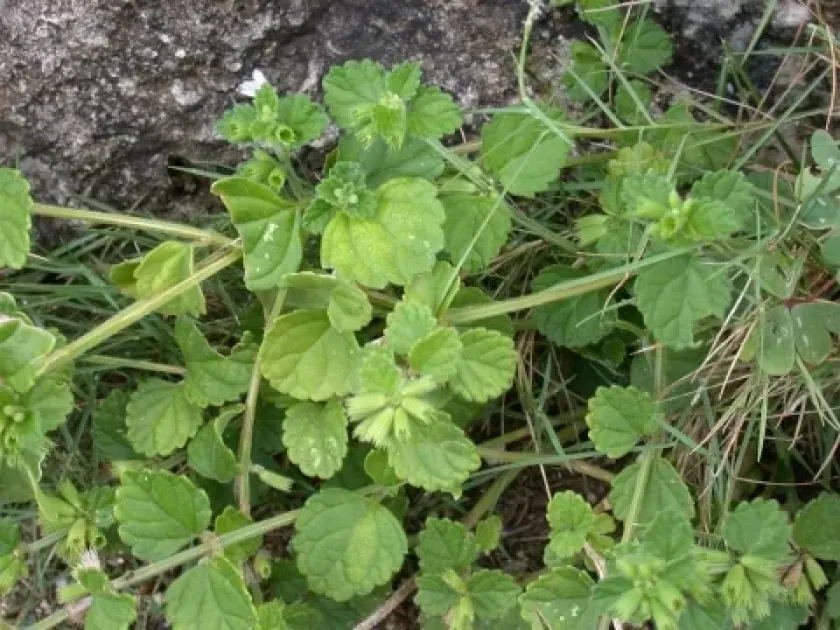
Botanically, the plant is characterized by its branching stems, ovate to lanceolate leaves, and terminal whorls of white or pale-colored flowers. The entire plant structure is adapted to rapid growth in favorable conditions.
Cultivation practices involve site preparation that includes thorough weeding before sowing, as the young seedlings are relatively slow to establish and can be easily outcompeted by aggressive weeds in the early stages.
Harvesting
The harvest of Leucas flaccida should be timed precisely with the peak flowering stage. This period ensures that the chemical constituents in the aerial parts are at their maximum concentration.
The plants are typically harvested by cutting the stems several inches above the ground. This method helps to ensure that the plant remains clean and free from soil particles, which is essential for raw material quality.
Post-harvest management involves immediate drying in a shaded, well-ventilated area. Rapid drying is crucial to prevent microbial growth and the degradation of essential plant metabolites caused by heat or moisture.
Once dried, the raw material should be processed to remove coarse stems and debris. High-quality dry herb should retain a good color and characteristic scent, indicating proper handling during the drying process.
Storage of the final product must occur in airtight, dry containers. Maintaining a cool environment is necessary to ensure long-term stability and to prevent the oxidation of sensitive organic compounds.