
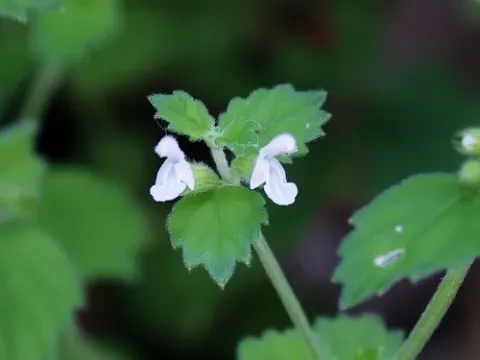
Leucas mollissima
Leucas mollissima
Leucas mollissima is a perennial herb belonging to the Lamiaceae family. In its natural habitat, the plant primarily propagates through seed dispersal.
What the section contains
Leucas mollissima
For agricultural cultivation, seeds should be sown in the spring once soil temperatures reach 15–18 degrees Celsius to ensure rapid germination.
Seeds benefit from cold stratification to overcome dormancy. They should be sown at a depth of 1–2 centimeters in a well-draining, loose substrate.
When grown in nursery settings, seedlings typically emerge within 2–3 weeks. Once the plants reach the two-leaf stage, they are transplanted into individual containers.
Field transplanting is recommended once the danger of frost has passed, allowing the plants to establish a robust root system before the summer heat.
The plant thrives in well-draining, fertile soils with a neutral or slightly acidic pH. Waterlogging must be strictly avoided to prevent root issues.
Leucas mollissima requires full sun exposure to maximize the production of its therapeutic secondary metabolites and essential oils.
Moderate irrigation is necessary, particularly during the establishment phase. Mature plants exhibit significant drought tolerance but prefer consistent moisture.
Organic fertilization, applied during soil preparation, is often sufficient to meet the plant's nutritional needs throughout the growing season.
Adequate spacing between plants is crucial to ensure good airflow, which helps maintain plant health and reduces the risk of moisture-related diseases.
Leucas mollissima is highly valued for its traditional medicinal applications, often utilized for its anti-inflammatory and antiseptic properties.
Harvesting is typically scheduled at the onset of flowering, as the concentration of active plant compounds is highest in the aerial parts during this period.
Yield quantity is highly dependent on effective weed management and the density of the planting, which should be carefully calculated for optimal growth.
Post-harvest, the biomass should be dried in a shaded, well-ventilated environment to maintain the integrity of the plant's active components.
Proper pruning techniques can encourage lateral growth, effectively extending the harvesting period and increasing the total seasonal yield.
Common pests include aphids and spider mites, which can sap the vitality of young leaves. Early detection through regular monitoring is essential.
High humidity levels and poor ventilation can lead to the development of fungal pathogens, such as powdery mildew or various root rot conditions.
Weed competition is a significant challenge during the early stages of plant development, requiring diligent mechanical weeding to protect the crops.
Integrated pest management strategies, focusing on biological controls, are highly recommended to ensure the purity of the medicinal product.
Strict hygiene in the field, including the removal of infected plant debris, is fundamental to preventing the spread of diseases within the crop.