
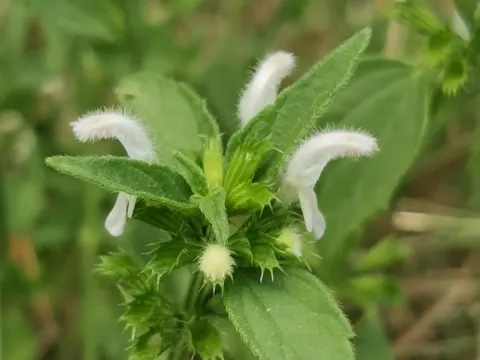
Leucas glabrata
Leucas glabrata
Sowing Leucas glabrata requires stable warm temperatures, as the seeds and young seedlings are sensitive to sudden cold snaps common in early spring.
What the section contains
Leucas glabrata
The optimal time for planting in the field is when soil temperatures are consistently above 15 degrees Celsius to encourage rapid germination.
Seedlings can be started in greenhouses to ensure a longer growing season and higher establishment rates in the field environment.
Precision seeding is recommended to maintain the specific plant density required for efficient photosynthesis and air circulation.
Proper spacing between rows helps in mechanical weeding operations and ensures that each plant has enough nutrients for full development.
Leucas glabrata thrives in sunny environments, requiring full exposure to sunlight to develop its full phytochemical potential.
The ideal soil conditions include well-drained loamy textures that prevent waterlogging and facilitate root respiration and nutrient uptake.
Although it exhibits resilience, consistent moisture availability is necessary during the vegetative phase to maximize biomass production.
Soil nutrient management should focus on balanced organic fertilization to maintain soil structure and support the crop throughout its cycle.
Climate adaptability is limited to temperate and tropical regions where severe frost is not a factor for the plant's survival.
The yield of Leucas glabrata is primarily measured in biomass of aerial parts, which are harvested for specific phytochemical extraction.
Maximum harvest yield is achieved when plants are harvested at the peak of their flowering phase, which correlates with metabolite accumulation.
Yield management requires careful monitoring of the plant density to avoid self-shading, which can reduce the overall quality of the leaves.
Proper irrigation management significantly influences the harvestable weight, especially in regions with distinct dry seasons.
Sustainable harvesting practices ensure the long-term viability of the plots and maintain soil fertility for subsequent seasons.
Fungal pathogens associated with high humidity and poor ventilation represent the primary threat to healthy stand development.
Aphids and mites can pose significant risks during the early stages of growth, potentially stunting the development of young plants.
Integrated Pest Management (IPM) strategies are essential to mitigate the risk of infestations without compromising the purity of the harvest.
Maintaining clean field borders is a critical preventive measure against the transmission of viral diseases from wild relatives of the Lamiaceae family.
Early detection and quick intervention are the cornerstones of maintaining a successful and productive crop of Leucas glabrata.