
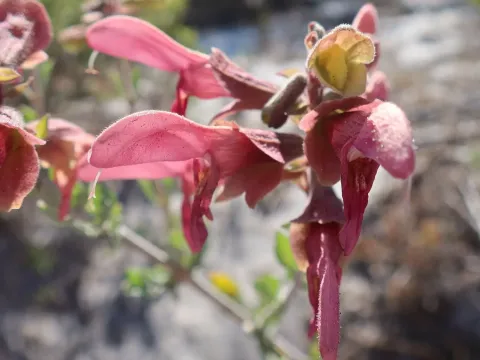
Lanceleaf sage
Salvia lanceolata
Lanceleaf sage (Salvia lanceolata) is a member of the Lamiaceae family, known for its adaptability in temperate climates. Sowing is typically conducted in the spring once the risk of severe frost has completely passed.
What the section contains
Lanceleaf sage
To ensure consistent germination, seeds should be placed in a light, well-draining soil mix. Maintain a consistent moisture level until seedlings reach the two-leaf stage, ensuring they are not waterlogged.
When sowing directly into the field, precision seeders should be used to maintain adequate spacing, which facilitates mechanical weeding and reduces competition between plants.
The optimal germination temperature for this species ranges between 18 and 22 degrees Celsius, which is why greenhouse propagation is often preferred in northern agricultural zones.
Thinning is recommended once the plants have established their true leaves to prevent crowding and promote the development of robust, secondary branches.
This species thrives in full sun exposure, which is essential for maximizing the concentration of its secondary metabolites. It tolerates a variety of soil types but performs best in well-aerated, sandy loams.
Water requirements are moderate; while the plant is somewhat drought-tolerant once mature, consistent irrigation during the flowering stage significantly improves the yield of biomass.
Soil pH should ideally be maintained in the range of 6.0 to 7.5. Adjustments using lime or organic compost can be made to stabilize the soil chemistry prior to planting.
Proper aeration is vital for the health of the root system. Compacted soils must be deep-plowed or tilled before the growing season to ensure deep root penetration.
The plant demonstrates good heat resistance, making it suitable for regions with long, dry summers, provided that an adequate irrigation system is in place.
The economic yield of lanceleaf sage is largely dependent on the timing of the harvest. For optimal essential oil content, plants should be harvested just as the flowering buds begin to open.
Proper post-harvest processing, including low-temperature drying, is critical to preserve the aromatic qualities and chemical constituents of the plant material.
Crop rotation protocols suggest harvesting for a maximum of three years on the same plot to maintain soil vitality and reduce the accumulation of species-specific pests.
Yield stability can be achieved by regular organic fertilization, which supports steady growth rates without inducing excessive succulent foliage that is prone to disease.
Global interest in sustainable herbal production continues to drive demand for quality-controlled Salvia biomass in both the pharmaceutical and cosmetic industries.
Root rot is the most common threat to Salvia lanceolata, particularly in heavy or waterlogged soil. Implementing efficient drainage systems is the primary defense strategy.
Aphids can cause significant damage to the tender terminal shoots, leading to stunted growth. Biological control methods, such as introducing beneficial insects, are highly recommended.
Powdery mildew is a fungal issue that frequently appears in humid conditions with poor air movement. Increased spacing between rows is a simple and effective cultural control method.
Weed management is essential during the early stages of growth, as the plant is sensitive to competition. Manual or light mechanical weeding should be performed frequently.
Monitoring for signs of leaf spot pathogens is important, especially after heavy rainfall, to prevent the rapid spread of infections across the entire plantation.
Harvesting usually involves cutting the stems approximately 5-10 centimeters above the ground, allowing the plant to potentially produce a secondary harvest in warmer climates.
For the best quality, harvesting should occur early in the morning after the dew has evaporated, which ensures the highest concentration of volatile oils.
Once gathered, the biomass should be transported to a drying facility immediately to prevent fermentation and loss of active ingredients.
Sun-drying is generally discouraged as direct ultraviolet exposure can degrade the beneficial oils, so a shaded, ventilated drying environment is required.
Post-harvest cleaning involves removing extraneous weeds and soil debris to ensure a pure product for further processing or commercial sale.