
Large-toothed hedgenettle
Stachys grandidentata
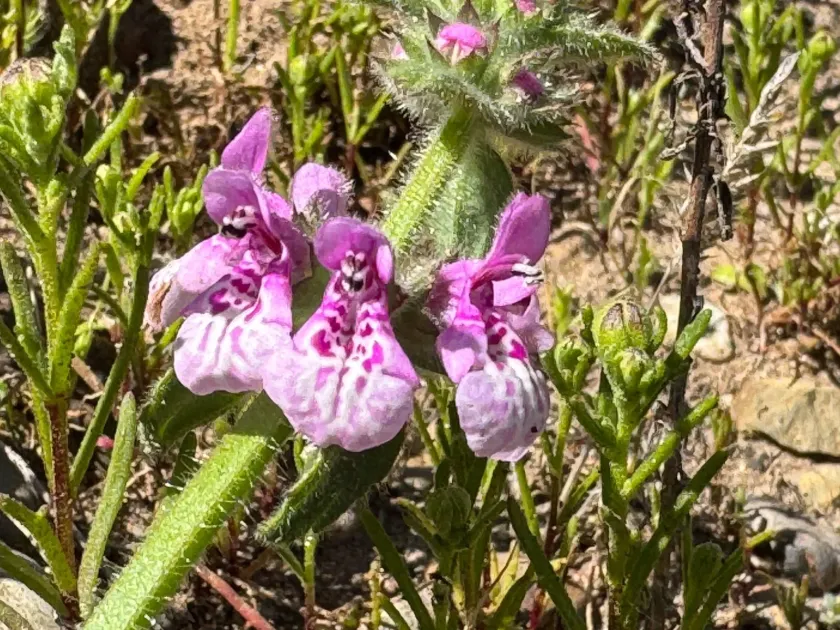
Description
Growing requirements
Stachys grandidentata, commonly known as the large-toothed hedgenettle, is a perennial herb belonging to the Lamiaceae family. This species is valued for its hardiness and versatility in various landscape and agricultural applications.
The plant thrives in well-draining, moderately fertile soils. It is essential to avoid sites prone to waterlogging, as the root system of this species is highly sensitive to excess moisture and root rot conditions.
Exposure to full sun or partial shade is recommended for optimal growth. Plants grown in sufficient light exhibit stronger stems and a higher density of foliage, which is critical for biomass production.
Agricultural management requires consistent weed control, especially during the establishment phase, to prevent resource competition. Mechanical cultivation between rows is standard practice to maintain soil structure.
Climatic requirements involve moderate temperate conditions. While the plant can withstand short drought periods once established, supplemental irrigation is beneficial during prolonged dry spells in the growing season.
Main diseases and pests
The primary threats to Stachys grandidentata include powdery mildew and various fungal leaf spots that typically occur in environments with high humidity and poor air circulation.
Pest management focuses on controlling aphids and spider mites, which can cause significant stress to the plant during warm and dry periods by piercing the epidermis and draining plant juices.
Soil-borne pathogens may also pose a risk if the drainage is insufficient, often leading to crown rot that can devastate localized patches within the field.
Integrated pest management (IPM) strategies, such as biological control and the use of insecticidal soaps, are recommended to preserve the medicinal quality of the plant material.
Regular monitoring of field conditions, combined with proper spacing between individual plants, remains the most effective defense against the rapid spread of diseases.