
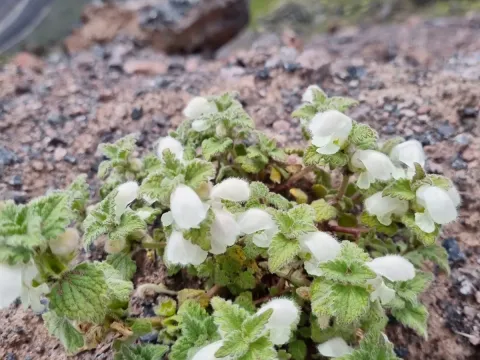
Lamium tomentosum
Lamium tomentosum
Lamium tomentosum is a member of the Lamiaceae family. As a perennial herbaceous plant, it is propagated either vegetatively or via seeds, which are sown in open ground during spring once soil temperatures reach 8–10 degrees Celsius.
What the section contains
Lamium tomentosum
When sowing seeds, the planting depth should not exceed 1 cm. A loose, well-prepared soil with sufficient moisture levels is essential for achieving uniform and vigorous germination.
Fall sowing is also viable in temperate climates, allowing seeds to undergo natural stratification during the winter months. Proper drainage is crucial to prevent seed rotting during wet periods.
The plant exhibits high growth energy, so planting spacing should be maintained at 30–40 cm between individual specimens to allow for full development of the root system and foliage.
Young seedlings require moderate lighting, so they should be protected from direct, scorching sunlight during the early stages of development until they are well established.
This crop prefers fertile, well-drained loamy or sandy soils with a neutral or slightly acidic reaction. Excessive soil moisture is undesirable, as it often leads to root decay and fungal infections.
Lamium tomentosum is characterized by high winter hardiness, inherited from its origins in the mountainous regions of the Caucasus. It is well-adapted to significant temperature fluctuations.
For optimal growth, the plant requires moderate lighting conditions. While it can adapt to partial shade, sufficient diffused light promotes higher accumulation of biologically active substances in the leaves.
Agronomic management includes regular loosening of rows to ensure soil aeration and timely weeding to prevent competition from invasive weeds that can stunt young plants.
Irrigation should be balanced to maintain steady soil moisture without stagnation, as overwatering is the primary cause of plant health issues in this species.
The productivity of Lamium tomentosum is measured by the volume of vegetative biomass used in pharmacology and horticulture. Under optimal conditions, 1–2 harvests per season are possible.
Yield depends significantly on soil fertility and the application of balanced mineral fertilizers, particularly nitrogen and potassium, which stimulate green mass development.
The plant is a recognized nectar source, providing bees with consistent resources during its flowering period from early summer to mid-July, making it valuable for apiary farms.
For the production of high-quality pharmaceutical raw materials, harvesting should be performed during the active flowering phase, when the concentration of essential oils is at its peak.
After harvesting, the plant quickly regenerates, forming new shoots, which allows for continued production throughout the growing season if proper post-harvest care is provided.
The primary threats to this crop are fungal diseases, such as powdery mildew, which often develop in dense plantings with poor air circulation and high humidity.
Pests such as aphids and spider mites can affect young shoots during dry spells. Biocontrol methods or soft insecticides are recommended to maintain the ecological safety of the harvest.
Root rot is a significant risk in heavy or waterlogged soils. Prevention involves improving soil structure and carefully managing irrigation protocols throughout the season.
Slugs and snails can cause mechanical damage to the leaves, especially in wet weather, requiring regular monitoring and the implementation of physical barrier methods.
Weeds are major competitors for moisture and nutrients, so systematic maintenance of the cultivation area is a prerequisite for ensuring high yields and plant health.
Harvesting for medicinal purposes is performed by cutting the above-ground part of the plant at a height of 5–7 cm from the soil surface to ensure quick regeneration.
The harvested mass must be dried immediately in a shaded, well-ventilated area or in specialized dryers at temperatures not exceeding 40 degrees to preserve essential oils.
Quality raw materials must be clean, intact, and free from soil impurities or damaged leaf matter, which ensures compliance with standard quality specifications.
Using sharp tools during harvesting facilitates better plant recovery, as clean cuts heal faster and are less prone to infection compared to jagged or broken stems.
Post-harvest management includes clearing the plot of debris and providing adequate moisture if the weather is dry, preparing the perennial roots for successful overwintering.