
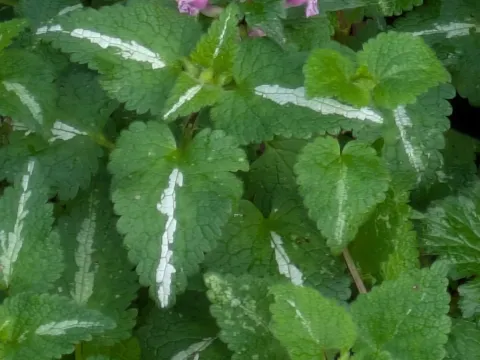
Lamium truncatum
Lamium truncatum
Lamium truncatum is a distinct herbaceous perennial belonging to the Lamiaceae family. It is recognized for its specific morphological features and adaptability to various temperate environments, making it a subject of interest for specialized agriculture.
What the section contains
Lamium truncatum
The plant features a square-shaped stem, which is a hallmark of the mint family, and produces characteristic foliage that is essential for its physiological functions. Its growth habit is typically clump-forming, providing good ground cover when cultivated properly.
Regarding soil requirements, the species thrives in well-drained, fertile loams with a slightly acidic to neutral pH. Proper soil structure is vital to prevent root zone saturation, which can be detrimental to the overall health of the plant.
Climatic adaptability is one of the key strengths of this species. It prefers temperate zones with moderate humidity levels, although it requires sufficient sunlight to ensure optimal secondary metabolite production within its tissues.
The agronomic practices for this crop involve careful monitoring of nutrient levels. Fertilizer application should be balanced, focusing on promoting vegetative development without encouraging excessive succulent growth that might attract unwanted pests.
The primary threats to Lamium truncatum productivity are fungal pathogens, particularly those causing powdery mildew or leaf spots. These typically occur under high-humidity conditions with restricted airflow within the crop canopy.
Insects like aphids and certain types of mites are known to infest these plants. They primarily feed on the undersides of leaves or tender shoot tips, potentially reducing the plant's vigor and photosynthetic capacity.
Effective management includes implementing a proper planting density to promote natural ventilation. This simple cultural practice is the most efficient way to reduce the incidence of moisture-related plant diseases.
Integrated Pest Management (IPM) strategies are recommended to maintain plant health. This includes the use of natural predators and biological control agents to keep pest populations below the economic injury level.
Regular scouting of the field is necessary for early detection of potential outbreaks. By acting quickly during the early stages of infestation, farmers can avoid the need for broad-spectrum chemical interventions.