
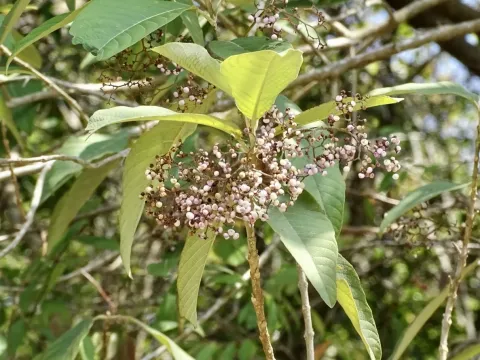
Callicarpa nudiflora
Callicarpa nudiflora
Callicarpa nudiflora is a perennial shrub belonging to the Lamiaceae family, native to the tropical regions of Southeast Asia. This species is characterized by its distinct aesthetic appearance and biological value, making it a subject of interest in both ornamental horticulture and plant research.
What the section contains
Callicarpa nudiflora
The plant requires well-drained, fertile soil with a slightly acidic to neutral pH level. Soil structure should be loose and rich in organic matter to support the rapid development of the root system, which is essential for the plant's overall health and productivity.
Climatic requirements are strict; Callicarpa nudiflora thrives in stable, warm conditions with high humidity levels. In non-tropical regions, it is cultivated in greenhouses or containers to protect the plant from frost and cold drafts, which it cannot survive.
Light exposure is a critical factor for successful growth. The plant prefers bright, diffused sunlight. Direct, harsh sun in the afternoon can lead to leaf scorching, while insufficient lighting typically results in stunted growth and poor fruit development.
Agrotechnical maintenance involves consistent watering during the growing season, while reducing moisture supply significantly during the dormant period. Fertilizer applications should focus on high-potassium mixes to promote healthy flowering and robust fruit formation.
Root rot is the primary physiological threat to Callicarpa nudiflora, usually triggered by waterlogged soil conditions. Proper drainage systems and strict irrigation control are the most effective preventive measures to ensure the plant's longevity.
Common pests include spider mites and scale insects, which frequently infest plants kept in enclosed environments with low humidity. Regular monitoring and maintaining high ambient humidity are crucial for preventing these pest outbreaks.
In cases of heavy infestation, systemic insecticides are recommended to effectively manage pest populations. It is important to alternate between different chemical agents to prevent the emergence of pesticide-resistant strains among the pests.
Powdery mildew and various leaf spot diseases can occur if the plant is grown in areas with poor ventilation. Regular pruning is necessary to maintain an open canopy structure, which improves air circulation and reduces the risk of fungal infections.
Biological control methods, such as the introduction of beneficial mites, can be used in greenhouse settings to reduce dependence on chemical treatments. A healthy, well-nourished plant is naturally more resistant to the majority of typical pathogens.
Harvesting of Callicarpa nudiflora involves gathering the fruits once they have reached their peak maturity. The visual indicator of maturity is the intense development of color in the fruit clusters, which signifies the optimal concentration of active compounds.
Due to the delicate nature of the fruits, mechanical harvesting is usually not recommended. Manual collection is preferred to ensure that the integrity of the berries is maintained, preventing juice leakage and subsequent spoilage of the crop.
Post-harvest handling requires immediate cooling or drying to stabilize the biological properties of the fruit. Maintaining a temperature-controlled environment during the first few hours after harvest is essential for preserving the quality of the harvested yield.
Drying processes should be conducted in well-ventilated areas using low-heat technology. Excessive heat can degrade the chemical composition of the berries, so temperature monitoring is vital throughout the dehydration process until the product is ready for storage.
The stored yield must be kept in airtight containers in a cool, dark location to ensure a shelf life of up to two years. This storage practice ensures that the supply remains consistent for commercial pharmaceutical or ornamental uses throughout the year.