
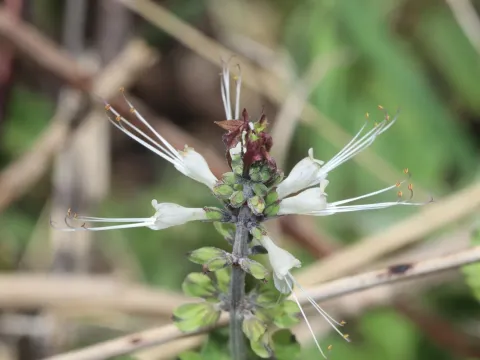
Becium
Becium
Sowing Becium in regions with favorable climates is recommended during the spring season when soil temperatures reach 12-15 degrees Celsius. Seeds often require stratification or priming to ensure consistent germination rates.
What the section contains

Becium
Given the small size of the seeds, they should be sown at a depth of no more than 1-2 centimeters. Ensuring adequate contact between the seeds and the soil is critical for successful emergence.
When using greenhouse or indoor seedling methods, sowing should begin 40-50 days before the anticipated transplant date. This timeframe allows the plants to establish a robust root system before field exposure.
Spacing must account for the plant's biological growth habits to ensure sufficient nutrient access. A common spacing is 40-50 centimeters between rows, which also facilitates easier inter-row maintenance.
Determining optimal plant density depends on the intended end-use of the crop; higher densities are often utilized when the primary goal is maximizing total biomass production.
Becium belongs to the Lamiaceae family and thrives in full sun, requiring open areas without shade. Insufficient light exposure leads to spindly growth and a significant reduction in essential oil content.
The culture prefers light, well-drained sandy or loamy soils with a neutral to slightly alkaline pH. Water stagnation in the root zone is detrimental and often triggers the development of various root rots.
While the plant exhibits moderate drought tolerance, regular irrigation during critical growth stages is necessary to achieve high commercial yields. Excess moisture during the flowering period is highly undesirable.
The temperature regime should be moderate, avoiding drastic fluctuations. Becium is sensitive to frost, necessitating protective measures in northern latitudes or the selection of regionally adapted varieties.
Nutrient requirements for Becium are moderate, but on nutrient-poor soils, applying potash and phosphate fertilizers promotes better reproductive organ development and improves the concentration of aromatic compounds.
The primary threats to Becium crops are fungal diseases, such as root rot and powdery mildew, which typically emerge due to poor agronomic practices. Soil moisture management is the most effective preventative measure.
Pests like spider mites or aphids can infest young leaves, sucking nutrients and inhibiting plant development. Frequent monitoring of fields is essential to detect and treat pest hotspots early.
Weeds pose a significant threat to Becium in its early stages due to the plant's relatively slow initial growth. Timely weeding and soil cultivation are mandatory to ensure the crop establishes successfully.
Viral infections are less common but require the immediate removal of affected plants to prevent spread by insect vectors. Maintaining clean fields is vital for long-term health.
Crop rotation is an essential agricultural practice, as pathogen buildup in the soil following other Lamiaceae species can drastically reduce plantation productivity over several seasons.
Harvesting Becium should occur during the mass flowering phase, when the concentration of essential oils and active therapeutic compounds is at its peak. This timing ensures the highest quality of raw material.
Harvesting is performed by mowing the above-ground portion of the plant at a height of 10-15 centimeters from the soil surface. This height promotes rapid regrowth for subsequent cuttings.
Immediately after collection, the plant material must be dried in shaded, well-ventilated areas or in specialized dryers at controlled temperatures not exceeding 40 degrees Celsius.
If the harvest objective is seed production, collection should proceed when the seed pods darken. Precision is critical to minimize crop losses due to natural seed shattering in the field.
Finished raw material should be stored in dry, dark environments within airtight containers, which helps preserve the biological efficacy of the product for an extended storage period.