
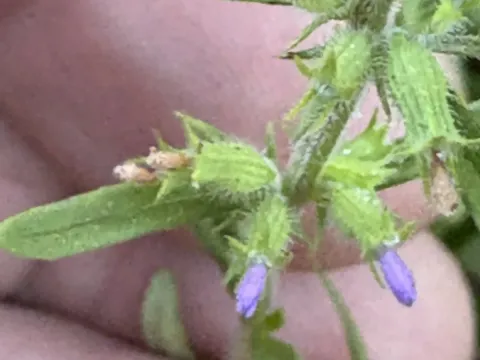
Hedeoma hispida
Hedeoma hispida
Hedeoma hispida, commonly known as rough false pennyroyal, is an annual herbaceous plant belonging to the Lamiaceae family. It is recognized for its potent aroma and presence in native North American ecosystems, particularly in prairies and open, dry habitats.
What the section contains
Hedeoma hispida
The plant is biologically adapted to semi-arid environments, thriving in conditions where other crops might suffer from drought stress. Its ability to extract moisture from nutrient-poor, rocky substrates makes it a candidate for sustainable low-input farming systems.
For agricultural cultivation, soil drainage is the most critical requirement. It demands light, sandy or well-draining loamy soils. Waterlogging is detrimental to Hedeoma hispida, often leading to rapid root rot and total loss of the crop stand.
This species requires high light intensity for optimal growth and metabolic activity. It is essentially a sun-loving plant; cultivation in shaded areas will significantly reduce the essential oil yield and compromise the overall quality of the harvested botanical material.
Agronomic management focuses on weed suppression during the early stages. Due to the species' relatively small size, it is a poor competitor. Regular inter-row cultivation or mechanical weeding is essential until the plant establishes a closed canopy.
Fungal pathogens represent the primary threat to Hedeoma hispida, specifically those favored by stagnant water conditions. Root rot organisms like Pythium and Fusarium can be devastating if irrigation scheduling is not strictly controlled.
Insect pests such as spider mites and aphids are common challenges. These insects typically thrive during prolonged dry spells, targeting the tender shoots of the plant. Biological controls are generally preferred to maintain the integrity of the plant's essential oil profile.
Powdery mildew can occur in dense, humid plantings where air circulation is restricted. Pruning practices or adjusted plant spacing are recommended to ensure adequate airflow through the canopy, thereby preventing fungal outbreaks.
Soil-borne nematodes can pose a long-term risk, especially when the species is cultivated repeatedly on the same plot. Proper crop rotation cycles are necessary to break the life cycle of these persistent soil pests.
Nutritional deficiency typically manifests as foliage chlorosis. While the plant is adapted to poor soils, strategic, low-concentration fertilization during the peak vegetative phase can improve biomass production without sacrificing the volatile chemical composition.