
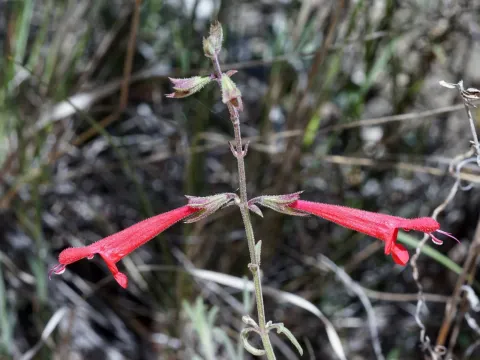
Henry's Sage
Salvia henryi
Sowing Henry's Sage (Salvia henryi) is best performed in early spring once the danger of frost has passed. Direct sowing into the garden bed allows the plant to adapt to the local environment from the start.
What the section contains
Henry's Sage
For those in colder climates, starting seeds indoors in late winter is a recommended practice. Using high-quality seed-starting mix ensures better germination rates before transplanting in late spring.
Seeds should be covered lightly with fine soil, as they require a bit of indirect light and consistent moisture to germinate. Keeping the tray in a warm spot usually results in faster emergence.
When sowing outdoors, space the rows at least 45 centimeters apart to allow for proper airflow. This spacing is crucial for mature plants to prevent overcrowding and moisture accumulation.
Thinning is necessary once the seedlings reach a height of 5 to 7 centimeters. Maintaining a 30-centimeter distance between plants ensures that each specimen gets enough sunlight and nutrients.
As a member of the Lamiaceae family, Henry's Sage thrives in sunny locations with well-draining soil. It is particularly well-adapted to rocky or sandy soil compositions common in its natural range.
The plant is highly drought-tolerant once established. It requires a neutral to slightly alkaline soil pH and does not perform well in heavy, waterlogged clay soils that inhibit root respiration.
Temperature-wise, it prefers moderate conditions but is robust enough to handle the hot, dry summers typical of its native habitat. Extreme humidity is generally more detrimental than dry heat.
Limited fertilizer application is advised. Excessive nitrogen leads to leggy growth and reduces the intensity of the flowers, so a light organic mulch is often sufficient to nourish the plants.
Routine maintenance involves removing dead wood and debris from around the base to prevent moisture buildup. Proper ventilation is the key to maintaining a healthy and vigorous sage plant.
The primary threats to Henry's Sage are fungal infections, particularly powdery mildew, which occurs in stagnant, humid environments. Ensuring good airflow is the most effective preventative measure.
Root rot is a common issue when the soil remains consistently wet. To avoid this, always check the moisture level of the soil before watering and ensure the drainage system is adequate.
Aphids and spider mites may occasionally colonize the undersides of the leaves during long periods of drought. Using neem oil or gentle insecticidal soaps can manage these populations effectively.
Nematodes can sometimes pose a risk in certain soil types. Rotating the planting location every few years helps mitigate the risk of soil-borne pests accumulating in the root zone.
Monitoring the foliage for signs of chlorosis or unusual spots is vital. Early intervention with organic fungicides or improved cultural practices usually saves the plant from significant damage.
Harvesting should take place when the plant is in full bloom. This is the stage when the essential oils and aromatic compounds in the leaves and flowers are at their peak concentration.
Using sharp shears, cut only the top third of the stems. This selective harvesting method ensures that the plant retains enough foliage to continue photosynthesis and survive the winter.
Drying the harvested material should occur in a dark, airy room away from direct heat sources. Air circulation is essential to prevent mold growth during the drying process.
Once dried, store the sage in airtight containers or paper bags in a cool, dark place. This preserves the plant's essential oils and flavor for medicinal or culinary applications for up to a year.
Seed collection is possible once the calyces turn brown and dry. Collect them by shaking the stalks over a container to catch the seeds before they scatter naturally in the field.