
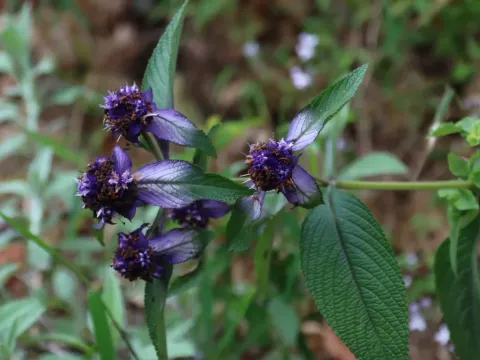
Haumaniastrum
Haumaniastrum
Haumaniastrum is a genus belonging to the Lamiaceae family, comprising several perennial herb species. These plants are scientifically recognized for their remarkable ability to colonize environments characterized by high concentrations of heavy metals, particularly copper and cobalt.
What the section contains
Haumaniastrum
The plant originates primarily from tropical regions of Africa. Its natural distribution is closely associated with rocky outcrops and open savannahs where specific soil conditions prohibit the growth of most conventional agricultural crops.
Botanically, the genus is characterized by an upright habit and robust root systems capable of extracting minerals from nutrient-poor or mineral-enriched substrates. Their leaves are often adapted to optimize transpiration in heat-stressed environments.
Successful cultivation requires well-draining soil and ample sunlight exposure. Unlike typical agricultural species, Haumaniastrum thrives in soils that might otherwise be considered toxic, provided that the drainage remains efficient to prevent root rot.
In modern agriculture, the primary use of this crop is in the field of phytoremediation. By planting it on contaminated industrial lands, growers can effectively extract and store harmful metals in the plant's biomass, thereby cleaning the soil.
The most significant threat to Haumaniastrum stands is the prevalence of fungal pathogens triggered by poor soil aeration. Excessive moisture leads to dampening-off symptoms, which can destroy young plant populations in a very short timeframe.
Various sucking insects, including aphids and spider mites, pose a constant threat to the foliage. These pests reduce the photosynthetic capacity of the plants, directly hindering the metal uptake process which is vital for the plant's physiological function.
Weed competition is a severe issue during the initial establishment phase. As a species often adapted to harsh, barren environments, Haumaniastrum struggles to compete against fast-growing aggressive weeds in more nutrient-rich soils.
Nutrient imbalance can occur if the soil is too heavily fertilized with standard NPK fertilizers, which may interfere with the plant's unique metal-absorbing mechanisms. Careful monitoring of the soil chemical composition is essential.
Climatic instability, such as unseasonal frost or prolonged moisture deficiency, can weaken the plant's defense mechanisms. While generally hardy, the species requires steady environmental parameters during its active growth phase to ensure optimal biomass production.