
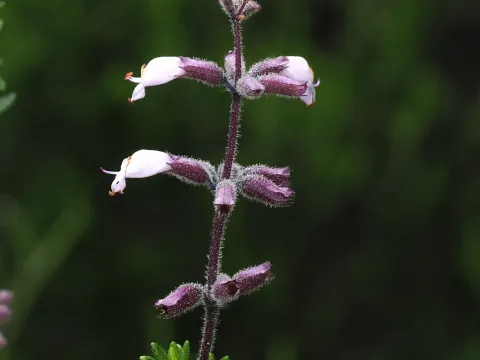
Hemizygia
Hemizygia (Benth.) Briq.
Hemizygia, a member of the Lamiaceae family, is typically grown as a tender perennial or annual, requiring a frost-free environment to begin its lifecycle. Seeds should be sown indoors in late winter to early spring to ensure a long growing season.
What the section contains
Hemizygia
The germination process requires consistent warmth, ideally around 21 degrees Celsius, and good light exposure. Seeds should be sown on the surface of a fine, moist potting mix and should not be covered deeply as light is a trigger for growth.
Seedlings need to be hardened off gradually before being transplanted into their permanent outdoor position. This acclimatization process usually takes seven to ten days, moving the plants from the greenhouse to outdoor temperatures during the day.
Transplanting should occur only after the soil has warmed up and all danger of frost has passed, as cold, damp soil will inhibit growth and likely cause root issues. Proper spacing is essential to prevent overcrowding.
In regions with harsh winters, Hemizygia is frequently managed as an annual bedding plant or grown in containers that are moved indoors before the first autumn frosts arrive.
Sunlight is the primary requirement for healthy development; Hemizygia thrives in full sun exposure. Sufficient light is crucial for maintaining the plant's natural habit and ensuring the production of vibrant flowers.
The soil must be well-drained, fertile, and slightly acidic to neutral. High-quality soil prevents waterlogging, which is the most common cause of failure when cultivating this species, especially in container gardening.
Watering should be balanced. While the plant appreciates consistent moisture during the peak of summer, it should be allowed to dry slightly between waterings to prevent root rot and other moisture-related pathogens.
Fertilization with a balanced, water-soluble fertilizer throughout the growing season encourages lush foliage and prolific blooming. Avoiding excessive nitrogen is recommended to keep the plant structure sturdy.
Pinching back the growing tips of the stems is a standard agronomical practice to ensure the plant becomes bushy and dense rather than leggy. This encourages side branching and increases the number of flowering sites.
Root rot represents the most significant threat to Hemizygia, especially in poorly drained soils or environments with stagnant air. Maintaining proper air circulation is the best preventive measure against such diseases.
Aphids and spider mites are the most prevalent pests encountered during the growing season. These insects often thrive in warm, dry conditions, making regular monitoring of the underside of leaves necessary.
Powdery mildew may occur when humidity levels fluctuate dramatically or during periods of dense, humid weather. Fungicidal treatments should be used sparingly and only when cultural controls fail.
Maintaining a clean growing space by removing dead leaves and weeds helps reduce the incidence of soil-borne pathogens. This sanitation is essential for sustaining long-term plant health.
Early identification of pest infestations through routine scouting allows for non-chemical interventions, such as washing the foliage with a gentle stream of water or using insecticidal soaps.