
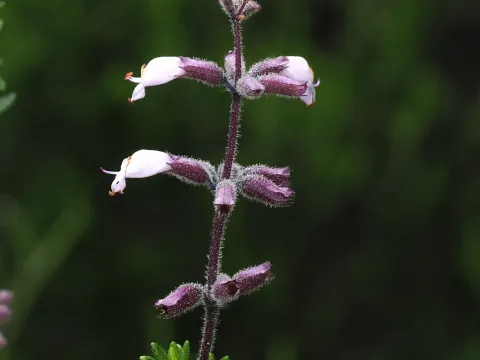
Hemizygia
Hemizygia
Hemizygia is a genus of perennial herbaceous plants and subshrubs belonging to the Lamiaceae family. While many species are now classified under the genus Syncolostemon, the term Hemizygia remains widely recognized in horticultural and trade contexts.
What the section contains

Hemizygia
Native to tropical and southern Africa, these plants are highly adapted to warm climates. In their natural habitat, they thrive in open, sunny locations, exhibiting significant drought tolerance once established, provided the soil conditions are suitable for root development.
Botanically, the plant is distinguished by opposite leaves, often with serrated margins, which contain volatile oils responsible for their distinct scent. The flowers are arranged in terminal spikes, featuring small, two-lipped blossoms that come in shades of pink, purple, or white.
Successful cultivation requires loose, well-draining soil with a neutral to slightly acidic pH. Hemizygia is particularly susceptible to root rot if the soil remains waterlogged, so gardeners must ensure that planting sites or containers have an efficient drainage system.
Due to their tropical origin, these plants are not frost-hardy. In temperate regions, they are typically managed as annuals or as container plants brought indoors during the winter months. They perform best when temperatures stay within the 20–25 degrees Celsius range during the active growing season.
Fungal diseases are the primary threat, typically triggered by poor air circulation or excessive moisture in the root zone. Root rot and powdery mildew are common issues that require strict adherence to watering schedules and preventative maintenance to ensure adequate airflow around the foliage.
Insect pests, specifically spider mites and whiteflies, pose a persistent danger to the plant. These pests thrive in dry and warm environments, necessitating regular inspection of the leaf undersides and the timely application of appropriate horticultural soaps or systemic insecticides if infestations occur.