
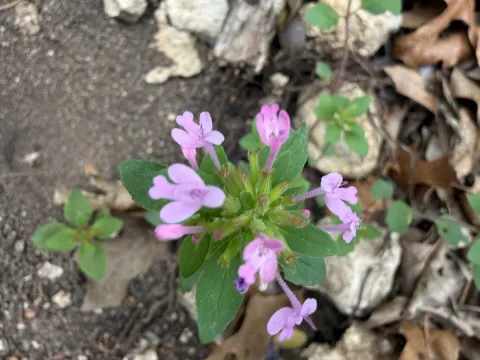
Hedeoma
Hedeoma
Hedeoma, a member of the Lamiaceae family, is typically cultivated as an annual crop. Seeds should be sown outdoors in the spring once the risk of frost has passed and soil temperatures have reached at least 12–15 degrees Celsius for consistent germination.
What the section contains

Hedeoma
For earlier production, starting seeds indoors in trays 6–8 weeks before the last frost date is highly recommended. This ensures strong seedlings are ready for transplanting as soon as the weather becomes stable and warm enough for outdoor development.
The seeds of Hedeoma are very small and require light for successful germination. Therefore, they should be sown on the surface of the growing medium and only lightly covered with a thin layer of fine soil or vermiculite to avoid burying them too deep.
Maintaining consistent moisture is critical during the initial germination phase. Once the seedlings develop two sets of true leaves, they should be thinned or transplanted to allow adequate space for root system expansion, generally 20–25 centimeters apart.
Regional climate plays a significant role in sowing schedules. In warmer southern climates, direct sowing can begin in late April, whereas in northern regions, it is advisable to wait until late May to ensure sufficient warmth for rapid initial growth.
This plant is a sun-loving species that thrives in open, well-lit locations. Exposure to full sunlight is essential, as shade tends to result in spindly growth and a notable reduction in the essential oils that give the plant its characteristic aroma.
Hedeoma prefers light, well-draining soils such as sandy or loamy textures. It is vital to avoid heavy clay or waterlogged soils, as excessive moisture often leads to root rot and other fungal pathogens that can quickly devastate a plantation.
While the plant exhibits some drought tolerance, regular watering is necessary during periods of active growth to ensure high biomass production. Irrigation should always be directed toward the base of the plant to keep the foliage dry and prevent fungal issues.
The crop is sensitive to excessive nitrogen fertilization, which can stimulate leaf growth while diminishing the quality and intensity of the aromatic compounds. A balanced fertilizer with a focus on phosphorus and potassium is more effective for overall plant health.
Ideal temperatures for Hedeoma development range between 18 and 25 degrees Celsius. Prolonged exposure to temperatures below 10 degrees Celsius will stunt growth significantly, making it essential to monitor local weather patterns throughout the growing season.
The total yield of Hedeoma is primarily determined by planting density and the quality of the soil management program. Under optimal conditions, growers can expect to harvest between 1 and 1.5 kilograms of fresh aromatic herb per square meter.
In industrial settings, adhering to strict agronomic standards can lead to yields of up to 5–8 tons per hectare. Maximizing yield requires precise timing of the harvest to coincide with the peak flowering period, which is when essential oil content is highest.
Factors influencing productivity include the management of weeds, which compete for light, water, and nutrients. Effective weed control in the early growth stages is necessary to ensure that the Hedeoma plants remain vigorous and competitive.
Supplementary feeding and maintaining proper soil structure throughout the season are key drivers of yield. Some growers implement a second cutting strategy, where proper irrigation after the first harvest encourages a second flush of foliage in late summer.
Ultimately, the quality of the harvested material—its color, aroma, and purity—is as important as the quantity, as Hedeoma is primarily valued for its specialized chemical properties used in various industrial and culinary applications.
Fungal pathogens represent the most significant threat to Hedeoma, particularly when environmental conditions include high humidity and poor air circulation. Root rots are the most common cause of early-stage plant mortality.
Powdery mildew is another frequent issue, appearing as a white powdery coating on leaves during humid weather. To mitigate this, growers should ensure proper spacing to facilitate air movement and remove any infected plant parts immediately.
Pests like aphids and spider mites can cause substantial damage by feeding on plant sap. These pests not only weaken the plant but can also serve as vectors for various viral diseases, making pest management a critical component of crop health.
Root-knot nematodes can also be problematic, especially in areas where the same crop is grown year after year. Crop rotation is the most effective way to prevent the buildup of soil-borne nematodes in the cultivation area.
Proactive management involving clean seed sources, proper site selection to maximize sunlight, and regular monitoring for symptoms is the best defense against threats, reducing the need for chemical interventions during the growing season.
Harvesting should be timed to coincide with the full flowering phase of the plant. This is the stage when the concentration of essential oils is at its highest, ensuring the final product possesses the maximum desired characteristics and potency.
The best time of day for harvesting is in the early morning, once the dew has evaporated but before the heat of the day intensifies. This timing minimizes plant stress and helps preserve the integrity of the aromatic compounds within the leaves.
Using a sharp tool, plants should be cut at a height of approximately 5–7 centimeters from the soil surface. Leaving this portion of the stem intact helps protect the plant crown and may allow for secondary growth if environmental conditions are favorable.
Post-harvest processing involves drying the cut material in a shaded, well-ventilated area. Temperatures should not exceed 35–40 degrees Celsius, as excessive heat will cause the delicate essential oils to evaporate or degrade, reducing product quality.
Once dried, the product should be stored in airtight containers made of dark glass or opaque materials to protect it from light and moisture. Proper storage is essential to maintain the aromatic quality for the duration of the shelf life.