
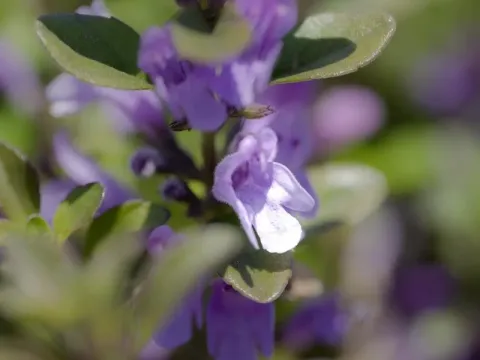
Hesperozygis
Hesperozygis Epling.
Sowing Hesperozygis typically takes place in spring once soil temperatures reach a stable 15–18°C. Because the seeds are delicate, most professional growers prefer starting with nursery-grown seedlings to ensure a consistent and healthy stand establishment.
What the section contains

Hesperozygis
Transplanting seedlings to the open field is done when the plants are 40–50 days old, ensuring all risks of frost have passed. Recommended planting density varies by regional climate, usually keeping a 30–40 cm spacing between plants to allow for healthy airflow.
Direct seeding requires careful soil preparation, sowing the seeds no deeper than 0.5–1 cm. The soil must be kept consistently moist throughout the germination period to support the emergence of fragile seedlings.
In warmer climates, late-autumn sowing is occasionally practiced, provided the soil is adequately mulched to protect seeds from winter extremes. This allows for earlier emergence and an extended vegetative phase, maximizing the season's output.
Post-emergence, thinning is essential to prevent overcrowding. Proper spacing allows for more robust branch development, which is crucial for achieving high yield potential and maintaining the health of the individual plants.
As a member of the Lamiaceae family, Hesperozygis requires high light intensity for optimal growth. Exposure to full sun is critical, as shading can significantly diminish the plant's ability to produce the essential oils that give it value.
The soil should be well-drained, preferably sandy loam or loam with a neutral pH. Hesperozygis is highly sensitive to waterlogged conditions, making effective field drainage essential for preventing root-related diseases and decay.
Water management is vital; while the crop needs consistent moisture, over-saturation must be avoided. Drip irrigation systems are highly recommended to deliver precise water amounts directly to the root zone, minimizing evaporation and water waste.
The ideal temperature range for active growth is 20–25°C. Extremes in temperature can force the plant into an early flowering stage, which is usually counter-productive when the target is biomass production rather than seed collection.
A balanced fertilizer program focusing on phosphorus and potassium is recommended during the budding stage to support chemical synthesis. Nitrogen should be used judiciously to avoid excessive foliage growth that lacks the necessary concentration of aromatic compounds.
Yield metrics for Hesperozygis are heavily influenced by cultivation practices and soil fertility. Under optimal conditions, the crop produces a significant amount of aromatic green matter suitable for high-value processing.
Two harvests per season are feasible in many regions. The first cut is typically timed at the onset of flowering, which is when the concentration of essential oils in the leaves is at its absolute peak for extraction purposes.
Frequent inter-row cultivation helps maintain soil aeration and promotes healthy lateral root development, which directly contributes to higher biomass yields. Consistent monitoring ensures the plants reach their full production potential.
The high market demand for natural botanical extracts makes this crop a profitable option for niche agricultural producers. Quality is the primary driver of price, making precision harvesting and processing a necessity for market success.
Yield stability is ensured by using high-quality, certified planting material and strictly following crop rotation guidelines. This approach minimizes the risk of soil-borne pathogens that could otherwise depress output over several years.
Fungal diseases, particularly powdery mildew, are the primary concern for Hesperozygis. These pathogens flourish in high-humidity environments with poor ventilation, making canopy management an essential preventive measure for every grower.
Pests like aphids and spider mites can severely impact crop quality if left unmanaged. They feed on the succulent leaves, reducing the plant's vitality and potentially leading to the loss of valuable aromatic oils and reduced overall yield.
Preventive strategies include maintaining proper spacing, prompt weed control, and removing infested plant material immediately. Open, clean fields allow for better air circulation, which naturally suppresses the development of fungal spores.
The use of biological controls is preferred for pest management to maintain the integrity of the essential oils. Chemical treatments should be used as a last resort, keeping in mind the strict pre-harvest intervals for safety and quality compliance.
Regular scouting is the most effective tool in the agronomist's kit. By identifying potential issues before they spread, growers can implement targeted interventions, saving the broader crop from costly damage or mass chemical applications.
Harvesting Hesperozygis should be conducted in the early morning after the dew has evaporated but before the heat of the day peaks. This ensures that the aromatic oil content is at its highest, maximizing the quality of the harvested biomass.
Cutting should be performed 5–10 cm above the ground. This specific height allows the plant to regenerate rapidly, ensuring that sufficient auxiliary buds remain for a second harvest cycle later in the season.
Immediate transportation to the drying facility is critical. Leaving cut material in the field under direct sun leads to the rapid evaporation of volatile aromatic compounds, significantly reducing the market value and chemical profile of the crop.
The drying process must occur in temperature-controlled rooms, ideally keeping heat levels below 40°C. Proper airflow is necessary to remove moisture quickly without degrading the heat-sensitive components of the herb.
Dried product should be stored in airtight containers away from light and moisture to prevent oxidation and loss of potency. Proper labeling and documentation of batch quality are essential for maintaining professional standards in the supply chain.