


Reference · Crops
Hemp-nettle
Galeopsis
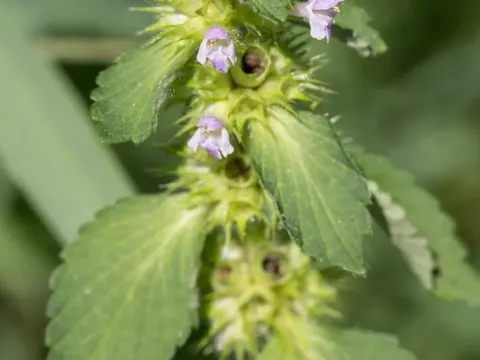
Hemp-nettle (Galeopsis) is a genus of annual herbaceous plants belonging to the Lamiaceae family. In agricultural contexts, it is primarily recognized as a persistent weed that competes with cereal and broad-leaved crops for essential resources.
3
items
What the section contains
Marketplace
Products in this section · 12


Hemp-nettle
The plant is characterized by its distinctive stems, which are thickened at the nodes and covered with stiff, prickly hairs. These features, along with its whorled leaves, make it a recognizable species in various temperate climates across the globe.
It typically thrives in moist, nutrient-rich soils but shows remarkable adaptability to various soil structures, including sandy loams. This plasticity allows it to establish dense populations in both cultivated fields and disturbed waste grounds.
The biological cycle of Hemp-nettle is driven by high seed production. A single plant can produce thousands of seeds, which are capable of remaining dormant in the soil seed bank for several years before germinating when conditions become favorable.
Agronomic management relies on a combination of cultural practices, such as crop rotation and timely cultivation. Maintaining vigorous crop stands helps to outcompete this weed by limiting its access to sunlight and soil resources.
The primary threat posed by Hemp-nettle is direct competition, which significantly reduces crop yields by absorbing moisture and nitrogen from the soil. In dense infestations, the weed's height can hinder the efficiency of harvesting equipment.
This weed species acts as an alternative host for various crop pathogens. By harboring these diseases in the field margins or within the crop, it ensures a constant source of infection that can move into the primary crop stand during the season.
Insects and pests often utilize Hemp-nettle as a refuge or a secondary food source. This complicates pest management strategies, as the weeds must be addressed simultaneously with the crop pests to achieve effective long-term suppression.
Chemical control is generally recommended at the early growth stages of the weed. Post-emergence herbicides are most effective when applied before the plant develops its characteristic woody stem structure and becomes more resistant.
Preventing the spread of Hemp-nettle is essential for farm biosecurity. This includes rigorous cleaning of agricultural machinery between fields to prevent the transfer of seeds, as well as the use of certified, weed-free crop seeds.