
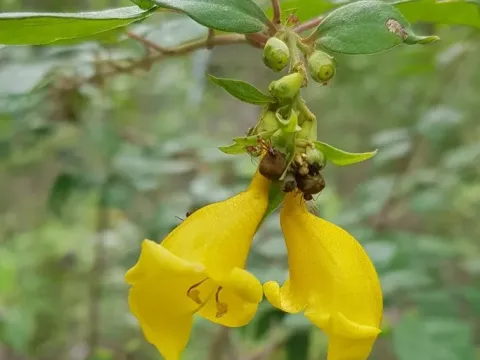
Gmelina elliptica
Gmelina elliptica
Gmelina elliptica is a significant tropical shrub or small tree belonging to the Lamiaceae family. It is primarily native to the tropical regions of Southeast Asia, thriving in environments that offer consistent warmth and high humidity levels throughout the year.
What the section contains
Gmelina elliptica
The plant grows best in full sunlight, though it can adapt to light shade in juvenile stages. It requires a climate that remains frost-free, as exposure to cold temperatures will cause severe damage to the foliage and structural integrity of the plant.
Soil quality is paramount for the health of Gmelina elliptica. It demands fertile, well-draining soils with a neutral pH. Improving soil aeration is essential, as the roots are sensitive to waterlogging, which often leads to poor development and plant mortality.
Botanically, this species is noted for its elliptical leaves and distinctive bright yellow, trumpet-shaped flowers. The fruits are succulent drupes, which attract various species of birds and small animals, aiding in natural seed dispersal within its ecosystem.
The plant has diverse agricultural and social uses. Historically, it has been valued for its medicinal properties in traditional Asian practices, and the wood is utilized locally for carving small objects, tool handles, and as a reliable source of fuel.
Common threats to Gmelina elliptica cultivation include infestations by sap-sucking insects like aphids and mealybugs. These pests cluster on the undersides of leaves and young stems, extracting nutrients and causing overall growth retardation.
Fungal pathogens, particularly those causing leaf spot and powdery mildew, represent a constant threat in high-humidity environments. Adequate spacing between individual plants is necessary to promote airflow and prevent the buildup of moisture around the foliage.
Root rot is perhaps the most critical threat to the longevity of this crop. It is almost always a result of poor drainage or excessive irrigation practices. Farmers should prioritize soil management to ensure that water never stagnates near the crown or root zone.
Leaf-eating caterpillars and beetles can cause significant defoliation if left unchecked during the growing season. Integrated pest management, including manual removal and the use of botanical insecticides, is generally sufficient to protect the crop.
Environmental stress, such as prolonged drought or nutrient deficiencies, can significantly weaken the immune system of Gmelina elliptica. Providing balanced fertilization and consistent moisture is the best strategy to prevent susceptibility to opportunistic infections.