
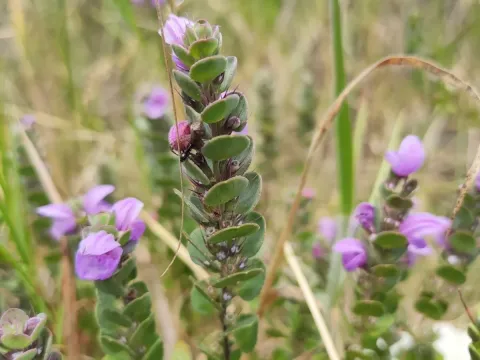
Glechon
Glechon
The genus Glechon is part of the Lamiaceae family, consisting of perennial herbs and subshrubs native to South America, particularly Argentina, Brazil, and Uruguay. These plants are recognized for their distinct botanical structure and aromatic properties.
What the section contains

Glechon
Glechon requires well-drained, fertile soil to thrive. It is particularly sensitive to waterlogged conditions, which can lead to root decay, making soil preparation and moisture management critical factors in any cultivation plan.
The plant demonstrates a strong preference for high light exposure. In natural environments, it grows in open or semi-open spaces where sunlight is abundant, which is essential for the accumulation of essential oils within the leaf tissue.
Climatic requirements are centered on moderate, subtropical conditions. While the plant can tolerate some fluctuations, it is best suited to regions without severe frost, as extreme cold can significantly damage the succulent stems of the species.
Agricultural management requires careful weed control during the early stages of growth. Because the species grows relatively slowly, it needs protection from competing weeds to ensure proper development and canopy closure.
The primary economic use of Glechon involves the harvesting of its aerial parts for the extraction of aromatic essential oils. The timing of the harvest is crucial and must coincide with the peak flowering period.
Harvesting should be performed early in the day, after the dew has evaporated but before the heat of the sun accelerates the loss of volatile compounds. Manual or mechanical cutting is utilized depending on the scale of production.
Drying the harvested material is a delicate process. It requires a shaded, well-ventilated environment to prevent the degradation of thermolabile components that provide the plant with its therapeutic and aromatic value.
Processing typically involves steam distillation to capture the essential oils. This oil is highly valued in traditional medicine and modern herbal formulations for its antiseptic and carminative properties.
Beyond oil production, the dried herb is also sold for use in herbal teas and culinary spice blends. Quality control during storage is essential to maintain the integrity of the bioactive compounds for the end consumer.