
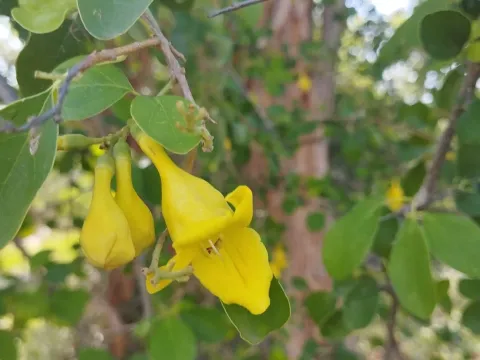
Gmelina asiatica
Gmelina asiatica
Gmelina asiatica is a thorny evergreen shrub or small tree belonging to the Lamiaceae family. It is native to tropical and subtropical regions, specifically thriving in areas with consistent warmth and high humidity levels throughout the year.
What the section contains
Gmelina asiatica
For successful cultivation, the plant requires well-drained soil with a high content of organic matter. Sandy loam or loam soils are ideal as they prevent waterlogging while maintaining necessary moisture for root development.
The plant is highly photophilous and demands significant sunlight exposure. In its natural range, it grows in open thickets, so in an agricultural setting, site selection must prioritize areas that do not suffer from shading by taller canopy trees.
Climate requirements include an annual mean temperature above 20 degrees Celsius. Gmelina asiatica is extremely sensitive to frost, which can cause severe damage to the vascular system, necessitating greenhouse conditions in non-tropical zones.
Agricultural practices involve scheduled pruning to maintain the plant's structural integrity and facilitate the harvesting of leaves and roots. Irrigation should be adjusted based on the growth stage, with increased water supply required during the pre-flowering period.
Pest management is a critical aspect of Gmelina production. Aphids and scale insects represent the most common threats, targeting the young leaves and shoots, which can lead to stunted development and leaf distortion.
Fungal pathogens such as leaf spot and mildew are prevalent in environments with poor air circulation. Managing plant density and ensuring proper spacing between rows are essential steps to mitigate these risks effectively.
Root rot is typically caused by over-irrigation or inadequate soil drainage. This condition is difficult to treat once established, so preventative measures, such as the use of fungicides in the substrate, are highly recommended.
Mites, particularly spider mites, pose a significant risk during hot, dry spells. They cause foliage discolouration and overall decline in plant vitality, necessitating the use of acaricides or neem oil applications.
Regular monitoring of the entire plantation is necessary to ensure timely detection of any infestation. Implementing an integrated pest management (IPM) program helps maintain yields while minimizing chemical usage on the medicinal crop.