
Garlic catnip
Nepeta scordotis
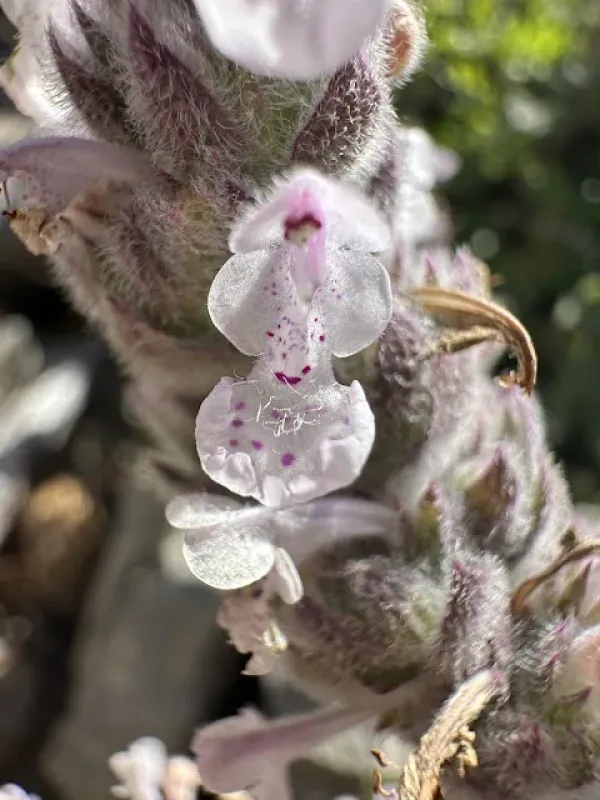
Description
Sowing dates
Sowing of garlic catnip (Nepeta scordotis) is best performed in early spring once soil temperatures reach 8–10°C. Consistent moisture during the germination phase is critical for establishing a uniform stand.
For commercial production, seeds are sown at a shallow depth of 0.5–1 cm. Proper soil preparation, including smoothing the seedbed and ensuring it is free of weeds, is essential to minimize competition during the early growth stages.
Late autumn sowing is an option in regions with mild winters, which allows for natural seed stratification and leads to earlier emergence in the spring. This practice enables the plants to establish a strong root system before the summer heat.
Optimal row spacing ranges between 45 and 60 cm. This distance not only simplifies mechanical maintenance but also ensures adequate airflow, which is crucial for preventing humidity-related diseases within the canopy.
The use of high-quality, calibrated seeds with high germination energy is highly recommended. Maintaining a proper plant density, approximately 15–20 plants per linear meter, simplifies subsequent maintenance and harvest operations.
Growing requirements
Garlic catnip belongs to the Lamiaceae family and thrives in open, sunny environments. The plant demonstrates high drought tolerance, making it a viable candidate for cultivation in arid or semi-arid agricultural regions.
The crop is not demanding regarding soil fertility but performs best in sandy loam or light loam soils with a neutral or slightly alkaline pH. Drainage is a vital factor, as waterlogging is detrimental to the plant's root system.
The ideal temperature range for active vegetative growth is 20–25°C. Garlic catnip is resilient to minor temperature fluctuations, allowing it to adapt to various climates throughout the temperate zone.
Mineral fertilization, focusing on phosphorus and potassium during the budding phase, effectively enhances essential oil production. Excessive nitrogen application should be avoided, as it encourages excessive vegetative growth at the expense of oil quality.
Inter-row cultivation is necessary throughout the growing season to ensure soil aeration and control weed growth. While the plant is drought-tolerant, supplemental irrigation during dry periods can significantly boost the biomass yield.
Yield
Average biomass yields for garlic catnip typically range from 15 to 25 centners per hectare, depending on local conditions and management practices. Productivity usually peaks during the second and third years of growth.
Timely cutting of the upper shoots encourages secondary growth, allowing for multiple harvests within a single growing season. This strategy maximizes the overall utility and efficiency of the field.
Essential oil content varies throughout the developmental cycle, making harvest timing at full bloom critical. During this phase, the concentration of aromatic compounds is at its highest, ensuring a high-quality final product.
Modern harvesting machinery, such as specialized foragers, helps maintain efficiency while ensuring the harvested material remains clean. Immediate handling post-harvest is essential to prevent degradation of the volatile oils.
The economic value of this crop is tied to both the volume of biomass and its specific organoleptic properties, which are highly sought after by the pharmaceutical and perfume industries.
Main diseases and pests
Fungal diseases are the primary threat to this crop, particularly in environments with high humidity or poor soil drainage. Powdery mildew can rapidly spread through dense, poorly ventilated stands.
Pests such as leaf beetles and weevils may occasionally damage the foliage. Regular crop scouting is recommended to detect any pest populations early and intervene before significant damage occurs.
Disease prevention relies on strict crop rotation protocols. Garlic catnip should not be planted on sites recently occupied by other Lamiaceae members to prevent the buildup of soil-borne pathogens.
The use of chemical pesticides should be strictly minimized, especially given the plant's use in medicinal and herbal applications. Biological control methods and sound agrotechnical practices are preferred alternatives.
Weed pressure is a significant challenge in the early growth stages. Timely weeding or the use of organic mulching can alleviate competitive stress, allowing the catnip to establish and maintain healthy vigor.
Harvesting
Harvesting should occur at the full flowering stage. This timing ensures that the chemical profile of the essential oils is optimal, meeting industry standards for purity and aromatic strength.
Harvesting is best performed in the morning, after the dew has evaporated but before the heat of the day. A cutting height of 10–15 cm from the soil surface is recommended to ensure plant recovery.
Once harvested, the material must be transported to a drying facility without delay. Sorting to remove impurities and foreign debris is a crucial step to maintain the high quality of the raw material.
Drying takes place in shaded, well-ventilated areas or in drying chambers at temperatures not exceeding 40°C. Excess heat can lead to the evaporation of volatile oils, significantly reducing the crop's market value.
Properly dried material should be stored in a cool, dark, and dry environment using airtight containers. This protects the aromatic properties and ensures the longevity of the harvested product for commercial use.