
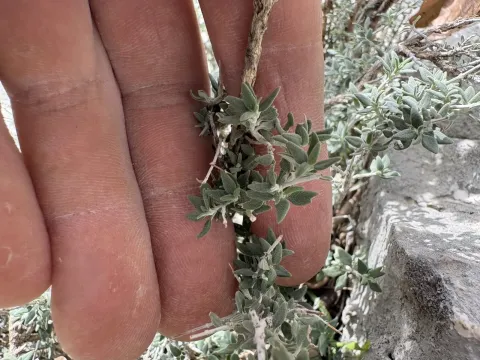
Germander
Teucrium
Sowing Germander seeds is best done in the spring once the soil temperature has stabilized, or in late autumn to allow for natural cold stratification. The seeds are very small and require a light, well-draining seedbed to germinate effectively.
What the section contains


Germander
When sowing directly into the field, ensure the soil surface is fine and free of large clumps. Press the seeds gently into the soil but do not bury them deeply, as they need ambient light to initiate the germination process.
For container-grown seedlings, start sowing indoors about 6 to 8 weeks before the last expected frost. This method provides a higher success rate in regions with short growing seasons.
Maintain a planting distance of approximately 30 to 40 cm between individual plants. This spacing allows for proper air circulation, which is vital to prevent fungal diseases in the dense foliage of the plant.
Keep the soil consistently moist but never waterlogged during the germination stage. Once established, Germander exhibits remarkable drought tolerance and requires significantly less irrigation.
Germander is a member of the Lamiaceae family, originating from the Mediterranean basin. As a hardy perennial or subshrub, it thrives in environments that mimic its natural rocky, arid habitat.
The plant requires full sun exposure to flourish and maintain its structural integrity. It is exceptionally well-suited for calcareous, sandy, or gravelly soils with excellent drainage properties.
Temperature-wise, Germander is adaptable but prefers moderate climates. While it is hardy in many zones, it may require protection from extreme winter humidity or harsh, freezing winds in colder regions.
Soil fertility is not a primary concern, as Germander performs well in nutrient-poor soils. Excessive nitrogen fertilization should be avoided, as it encourages weak, spindly growth rather than dense, aromatic foliage.
Regular maintenance involves light pruning in the spring to remove dead wood and encourage bushy, vigorous growth. This practice ensures the plant remains productive throughout the growing season.
Root rot is the most significant threat to Germander crops, typically caused by poor soil drainage or excessive irrigation. Ensuring a site with a slope or sandy substrate can mitigate this risk effectively.
Leaf spot diseases can occur during prolonged periods of high humidity or rainy weather. Proper spacing and location choice are the best preventative measures against these pathogens.
Pests such as aphids and spider mites can infest the plant, particularly in sheltered or stressed environments. Integrated pest management, including natural predators, is recommended over chemical control.
Weed competition can quickly overwhelm young plants. Using inorganic mulch like gravel or crushed stone around the base of the plant keeps the soil dry and suppresses unwanted vegetation.
Overcrowding leads to poor air circulation, which significantly increases the susceptibility of the crop to various mildews and blights, necessitating careful monitoring of plant density.
Harvesting should be timed to coincide with the plant's peak flowering phase, as this is when the concentration of essential oils is highest. Use a sharp, sterilized cutting tool to harvest the upper floral stems.
Drying must occur in a dark, well-ventilated area away from direct sunlight. Exposure to UV rays and high heat will degrade the delicate volatile compounds that give the plant its value.
Once dried, the plant material should be processed to separate the leaves and flowers from the woody stalks. The high-quality parts are then stored in airtight containers to preserve their potency.
The culinary and medicinal uses of Germander are diverse, ranging from traditional herbal medicine for digestive support to a bittering agent in artisanal beverage production.
Proper harvest management ensures not only high yields but also the longevity of the plant, as it will remain productive for several seasons if harvested correctly without damaging the crown.