
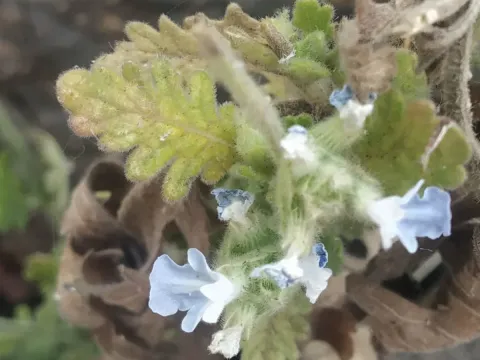
Gibson's lavender
Lavandula gibsonii
Gibson's lavender (Lavandula gibsonii) is a perennial semi-shrub belonging to the Lamiaceae family. It is endemic to the Western Ghats of India, which distinguishes it from more common Mediterranean lavender species in terms of its specific growth requirements.
What the section contains
Gibson's lavender
The plant features silver-toned foliage due to dense pubescence, which acts as a natural mechanism to reduce transpiration. Its compact growth habit and elegant flower spikes make it a highly desirable species for specialized botanical gardens and warm-climate landscaping.
Climatic requirements focus on steady warmth and protection from frost. It thrives in regions with moderate humidity but cannot withstand waterlogged conditions, making well-draining soil an absolute priority for successful cultivation.
In terms of soil, this plant prefers rocky, sandy, or loamy substrates that mimic its native mountain habitat. The pH should be slightly alkaline to neutral to ensure optimal nutrient uptake and root health.
Agricultural and gardening practices emphasize minimal interference. Proper spacing is crucial to ensure adequate airflow, preventing moisture accumulation within the center of the bush, which can lead to rapid fungal decay.
Root rot, primarily caused by Pythium and Phytophthora fungi, is the most significant threat to Gibson's lavender. It is usually the result of overwatering or inadequate soil drainage, making moisture control the primary focus of crop management.
Aphids and spider mites are the most common pests found on this crop. They can quickly proliferate in environments where air circulation is insufficient or during prolonged periods of drought, which stresses the plant's natural defenses.
Powdery mildew may occur in conditions of high humidity combined with stagnant air. This manifests as a white, dusty layer on the leaves, which can lead to necrosis if left untreated for an extended period.
Slugs and snails can cause significant damage to young seedlings or tender new shoots during the rainy season. Protective barriers or organic molluscicides are recommended to preserve the integrity of the foliage.
To mitigate these risks, farmers and gardeners should implement a regular inspection schedule. Early intervention through pruning affected branches and applying appropriate fungicides or acaricides is vital to maintaining plant health.