
Garden horehound
Ballota acetabulosa
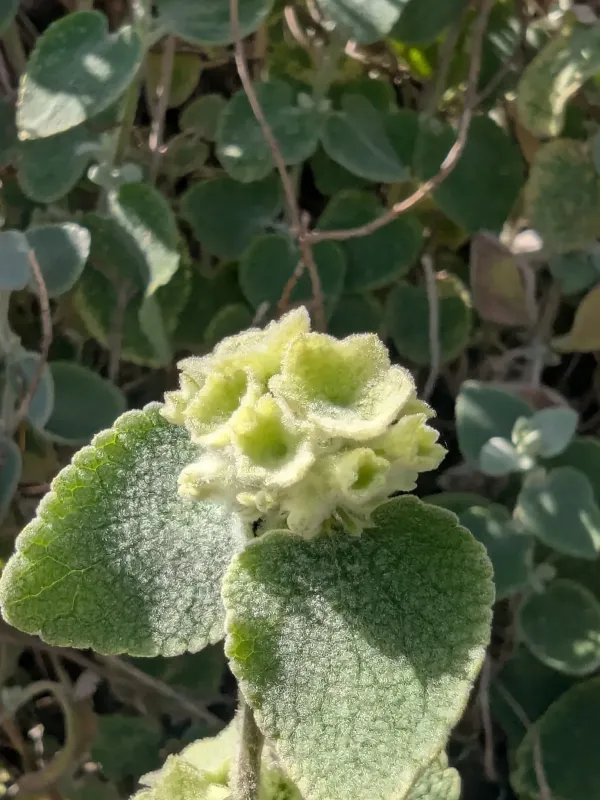
Description
Growing requirements
Garden horehound (Ballota acetabulosa) is a perennial subshrub belonging to the Lamiaceae family. It is highly valued for its striking appearance and resilience in arid climates.
The plant originates from the Eastern Mediterranean region. It thrives in well-drained, rocky, or sandy soils, which mimic the natural habitat where it evolved to survive prolonged drought periods.
Optimal growth is achieved in full sun exposure. The plant features unique saucer-shaped calyces and velvety, grayish-green leaves that reflect intense light, reducing water loss through transpiration.
In terms of agricultural practice, it is considered a low-maintenance crop. It requires minimal fertilization and avoids the need for irrigation once the root system is well-established in the field.
The culinary and medicinal uses of the genus Ballota have been historically documented, specifically regarding its traditional application in folk medicine for its antiseptic and sedative properties.
Main diseases and pests
The primary concern for this crop is waterlogging. Excessive soil moisture leads to root rot, which is the most common cause of crop failure in non-Mediterranean climates.
Poor ventilation around the base of the plant during humid summers can lead to powdery mildew infections, which manifest as white patches on the foliage and stunt plant development.
Aphids represent the main pest threat. These insects tend to settle on the succulent tips of the stems, causing leaf deformation and potential transmission of viral diseases within the plantation.
Proper field management includes ensuring adequate spacing between individual plants to allow for airflow, which acts as a natural deterrent against most humidity-related pathogens.
During the dormant season, it is crucial to keep the soil surface dry to prevent the buildup of fungal spores that could impact the health of the plant during the following spring growth cycle.