
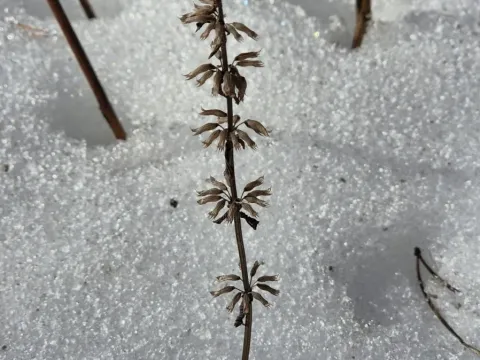
Dracocephalum thymiflorum
Dracocephalum thymiflorum
Dracocephalum thymiflorum is an annual herbaceous plant belonging to the Lamiaceae family. It is typically sown in early spring, as soon as the soil temperatures reach 5–8 degrees Celsius to initiate germination.
What the section contains
Dracocephalum thymiflorum
The seeds are relatively small and should be sown at a depth of 1–2 centimeters. Proper seedbed preparation is essential to ensure a consistent sowing depth and to achieve a uniform plant stand across the field.
Given the plant's ability to adapt, it can be grown in various soil types, but it thrives best in well-structured, friable soils. Row spacing is typically kept between 15 and 20 centimeters to allow for optimal plant density.
The species demonstrates good cold tolerance, allowing for early seasonal planting. This provides the plants with a competitive advantage over faster-growing weed species during the early developmental stages.
Uniformity in sowing is critical for uniform flowering, which is a major advantage for beekeeping operations relying on the plant as a primary nectar source during the summer months.
As a sun-loving species, Dracocephalum thymiflorum requires full exposure to sunlight to maximize its nectar secretion and the concentration of essential oils within its vegetative tissues.
The plant is not overly demanding regarding soil fertility; however, it prefers neutral or slightly alkaline soils with good drainage. Poorly drained, waterlogged soils are detrimental to root development and overall plant health.
While known for its drought resistance, irrigation during the budding and peak flowering stages can significantly increase the total honey yield per hectare, making it a valuable practice in arid climates.
Competition from weeds is the primary challenge during the early growth phases. Maintaining a clean field through mechanical weeding is necessary until the plant canopy closes.
Nutrient management should focus on avoiding excessive nitrogen, which can lead to rapid leaf growth while reducing the production of nectar and essential oil compounds.
The primary agricultural use of Dracocephalum thymiflorum is its role as a high-quality honey plant. It is highly valued by apiarists for its ability to produce significant amounts of nectar even under challenging environmental conditions.
Honey derived from this species is characterized by its light color, delicate fragrance, and smooth texture, making it a premium product in the market for artisanal honey.
Beyond beekeeping, the plant is studied for its medicinal properties. The aerial parts contain bioactive compounds, including essential oils, which are utilized in traditional herbal preparations.
As a sustainable crop, it contributes to biodiversity in agricultural landscapes, supporting local pollinator populations throughout the flowering period in mid-to-late summer.
Ongoing research explores its potential as a specialized essential oil crop, evaluating different chemotypes for their fragrance profile and potential use in the cosmetic industry.
Dracocephalum thymiflorum is naturally robust and shows low susceptibility to most common crop diseases, contributing to its status as a low-maintenance agricultural plant.
Root rot caused by stagnant water is the most frequent pathological issue. This is easily managed through proper soil drainage and by selecting well-draining fields for cultivation.
Insect pests, such as flea beetles, can occasionally cause damage to young seedlings. Integrated pest management strategies are recommended to keep damage levels below economic thresholds.
In humid seasons, powdery mildew may appear on the foliage; however, this rarely reaches a level that would require chemical intervention, as the plants usually reach maturity despite minor infections.
The best defense against threats is good agronomic practice, including proper crop rotation and the removal of host plants for pests in the immediate vicinity of the field.
Harvesting for seed production occurs when the lower seeds in the inflorescences turn brown. It is crucial to monitor the maturity process to prevent seed shedding, which can cause significant losses.
Mechanical harvesting is carried out using specialized combines. The setting of the drum speed and concave clearance must be carefully adjusted to prevent damage to the delicate seeds.
For medicinal herb collection, the plants are mowed during the peak flowering stage. The optimal harvest time is during dry weather conditions to ensure the quality of the raw herbal material.
Post-harvest drying should be performed in a cool, shaded, and well-ventilated area. This slow-drying process is essential for preserving the plant's volatile aromatic compounds.
Storage of the finished product requires moisture-controlled conditions, ideally below 12 percent moisture content, to ensure long-term stability and to prevent the degradation of stored seeds or dried herbs.