
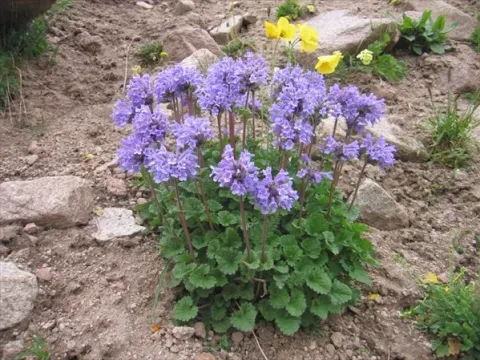
Dracocephalum seravschanicum
Dracocephalum seravschanicum
Dracocephalum seravschanicum is sown in early spring when soil temperatures reach 8–10 degrees Celsius. Timely planting is critical to ensure that seeds utilize spring moisture effectively before the onset of intense summer heat.
What the section contains
Dracocephalum seravschanicum
Seeds are sown at a depth of 1–2 centimeters. Planting too deeply significantly reduces germination rates, so shallow placement is preferred, particularly in heavier soil types where moisture retention is higher.
The crop is typically planted in rows with spacing between 45 and 60 centimeters to facilitate mechanical weed control. Maintaining proper spacing is essential to ensure adequate airflow and sunlight penetration for every plant.
A nursery method is also viable for regions with short growing seasons. Starting seedlings in greenhouses 30–40 days before transplanting allows for a stronger root system and faster establishment in the field.
Soil compaction after sowing is a recommended practice to improve capillary water flow to the seeds. This step ensures more uniform germination across the entire plantation area.
As a member of the Lamiaceae family, this species is native to mountainous regions and is well-adapted to high solar radiation levels. Intense light exposure is the primary driver for the accumulation of essential oils in the leaves and flowering spikes.
The plant thrives in well-drained, fertile soils ranging from sandy loam to loam. Good soil aeration is vital, as the root system is highly sensitive to waterlogging, which can lead to quick decay and crop loss.
Dracocephalum seravschanicum is acclimated to diurnal temperature fluctuations typical of high-altitude zones. It possesses a moderate level of drought resistance, making it suitable for regions with variable rainfall patterns.
Proper mineral nutrition, focusing on phosphorus and potassium, supports overall plant vigor. These elements improve cellular integrity and enhance the plant's ability to synthesize essential aromatic compounds.
Watering should be balanced, especially during the budding phase. While the plant is hardy, consistent moisture during the peak growth cycle significantly boosts biomass production and raw material quality.
The yield of Dracocephalum seravschanicum depends heavily on agronomic practices and soil health. On average, farmers can expect a harvest of 15 to 25 centners of dry matter per hectare.
Essential oil yield is highest when the plant is harvested at the onset of mass flowering. Producers must monitor this phenological phase closely, as it determines the market value of the essential oil extract.
The plant demonstrates a capacity for regrowth, allowing for a second harvest in regions with favorable climate conditions. While the second cut may have a lower oil content, it provides additional economic output.
Mechanical harvesting is recommended to maintain the integrity of the foliage. Avoiding damage to the leaves is crucial, as the oil-secreting glands are fragile and prone to loss through evaporation during rough handling.
Optimizing plant density per hectare not only improves total yield but also creates a dense canopy that suppresses weed growth, effectively reducing the need for intensive chemical or manual maintenance.
Root rot is the most common threat to this crop, particularly in poorly drained or waterlogged soils. Early detection and proper drainage management are essential to prevent the spread of fungal pathogens.
Insects like aphids and spider mites can infest the crop during dry spells. These pests damage the foliage, which not only hinders plant growth but also alters the chemical profile of the essential oils.
Weed management is vital during the early stages of development, as the crop grows slowly after germination. Without competition control, weeds can easily overwhelm young plants and reduce overall productivity.
Powdery mildew can occur in areas with high humidity and poor ventilation. Proper row spacing and field sanitation are effective preventive measures to mitigate the risk of fungal outbreaks.
Crop rotation and the use of certified, disease-free seed material are the best practices for maintaining a healthy and productive field over several growing seasons.
Harvesting should occur during the mass flowering phase to ensure the peak concentration of essential oils. This timing is the most critical factor in achieving high-grade aromatic products.
Plants are cut at a height of 10–15 centimeters from the ground. This preserves the crown and lower nodes, which are necessary for the plant's recovery and potential regrowth for future harvests.
Post-harvest logistics must be efficient to avoid biomass fermentation. Transporting the material to drying facilities immediately after cutting preserves the volatility and delicate aroma of the essential oils.
Drying is performed in shaded, well-ventilated areas or specialized ovens at temperatures not exceeding 40 degrees Celsius. Excessive heat destroys the organic compounds, rendering the material inferior.
Once dried, the raw material is processed to separate the leaves and flowers from the stems. The final product is stored in sealed, light-proof containers to ensure the essential oils remain stable and aromatic.