
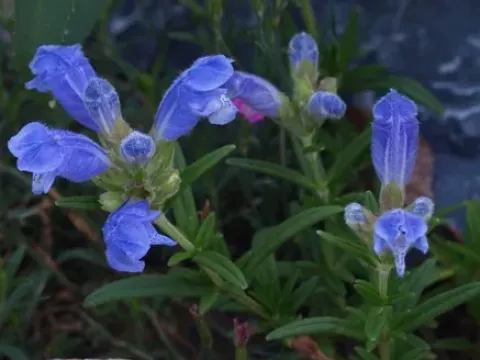
Argun dragonhead
Dracocephalum argunense
Sowing Argun dragonhead is ideally performed in early spring once the soil temperature consistently reaches 8-10 degrees Celsius. In regions with milder climates, late autumn sowing is also a viable option to ensure early germination after the winter period.
What the section contains
Argun dragonhead
Given the small size of the seeds, they should be sown at a shallow depth of 1-2 centimeters. A row spacing of 45-60 centimeters is recommended to facilitate weed control and efficient crop management throughout the growing season.
Proper soil preparation is crucial; the seedbed should be finely tilled and free of large clumps to allow the small seeds optimal contact with the soil. A seeding rate adjusted to local conditions ensures an even plant density.
Germination typically occurs within 2-3 weeks, depending on soil moisture levels. Maintaining adequate soil hydration during the initial stages is essential for establishing a robust plant population.
Weed management during the early seedling stage is vital as the crop exhibits slow growth initially and can be easily overshadowed by faster-growing competitive vegetation.
Belonging to the Lamiaceae family, Argun dragonhead is a perennial herb native to East Asia. It thrives in full sun, which is necessary for maximizing the concentration of aromatic compounds and essential oils within the foliage.
The plant is not overly demanding regarding soil type but prefers well-drained, sandy loam or loamy soils. Excellent drainage is critical to preventing root rot, as the species is sensitive to waterlogged conditions.
Argun dragonhead is highly frost-hardy, making it suitable for cultivation in regions with harsh winters. While it demonstrates some drought tolerance, consistent watering during the budding phase significantly increases overall biomass yield.
A neutral soil pH, ideally between 6.0 and 7.5, is optimal. If the soil is excessively acidic, liming should be performed well in advance of the planting season to improve nutrient availability.
Balanced fertilization, particularly with potassium and phosphorus, supports the development of healthy plant structures and enhances the plant's natural resistance to environmental stress.
Fungal pathogens such as powdery mildew and various root rots pose the most significant threat to Argun dragonhead, especially in humid or poorly ventilated environments. Proper spacing and airflow are primary preventative measures.
Insect pests, including aphids and spider mites, often target the tender shoots and leaves. In commercial cultivation, monitoring these populations is necessary to decide when to intervene with appropriate biological or chemical controls.
Soil-borne larvae, such as wireworms, can damage young root systems during the establishment phase. Pre-sowing soil treatment or seed coatings can effectively reduce the damage caused by these underground pests.
Bacterial spot diseases may emerge during periods of prolonged rainfall. Maintaining clean equipment and practicing effective crop rotation helps break the life cycles of these pathogens.
Regular weeding and soil cultivation between rows are not only beneficial for nutrient uptake but also reduce the micro-environment humidity that favors fungal growth.
Harvesting is best timed to coincide with the peak flowering period, as this is when the secondary metabolites and essential oils are most concentrated. Harvesting too early or too late can lead to lower quality and lower yields of active substances.
The plants are typically mowed 10-15 centimeters above the ground. Using mechanical harvesters in commercial settings requires careful adjustment to prevent the inclusion of woody stems or damaged material.
Post-harvest processing involves rapid drying to preserve the essential oils. The material should be spread in thin layers in a shaded, well-ventilated area or dried in a controlled environment at temperatures below 40 degrees Celsius.
For seed production, harvesting should take place once the lower parts of the inflorescences turn brown to avoid premature seed dispersal. Seed must be cleaned and stored in dry, cool conditions.
Argun dragonhead plantations are typically productive for 3-5 years. After this period, renewing the field is advised to maintain plant vigor and optimize yields.