
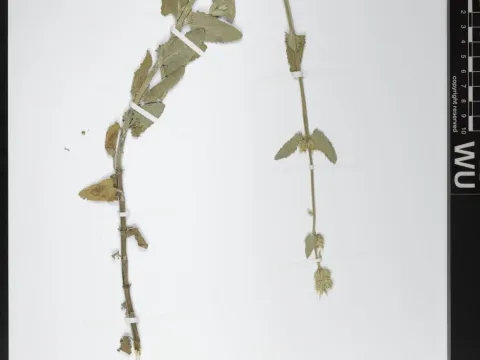
Argolic catmint
Nepeta argolica
Argolic catmint should be sown in early spring as soon as soil temperatures reach at least 8–10°C to ensure optimal germination rates.
What the section contains
Argolic catmint
The seeds are very small, so they require a shallow sowing depth of approximately 0.5 cm to allow for sufficient light absorption during the process.
For commercial cultivation, row spacing should be maintained between 45 and 60 cm to allow for efficient weeding and air circulation around the plants.
It is recommended to lightly roll the soil after planting to improve seed-to-soil contact and ensure consistent moisture levels during the critical stage of emergence.
Cold stratification of seeds for several weeks before spring sowing can significantly improve uniformity in germination for large-scale field production.
Nepeta argolica is a perennial plant belonging to the Lamiaceae family, native to the rugged terrains and rocky slopes of Greece.
This species thrives in full sun and requires well-draining, slightly alkaline soil conditions to prevent the risk of root rot common in dense soils.
It demonstrates remarkable drought tolerance, making it a highly sustainable choice for agricultural zones characterized by low water availability.
The plant performs best in soils with a pH ranging from 6.5 to 7.5 and does not require heavy fertilization to maintain vigorous growth.
Proper drainage is the single most critical factor for successful cultivation, as the plant is highly sensitive to waterlogged environments.
The yield of Argolic catmint is primarily measured by the total biomass and the concentration of essential oils extracted from the floral parts.
Annual yields of dried herb material can reach several tons per hectare, depending on the specific local climate and the intensity of the farming management.
Peak oil production is achieved when the plants are harvested at the full bloom stage, as this is when the secondary metabolites are most concentrated.
Productivity typically increases as the plant matures, with the second and third years often being the most productive for commercial harvest cycles.
Strategic harvesting can allow for multiple cuts per season, provided the plants are allowed sufficient recovery time between consecutive harvests.
Due to its high concentration of volatile compounds, Argolic catmint shows natural resistance to various common agricultural pests and diseases.
Root rot remains the most significant threat, particularly in regions with high precipitation or poor soil aeration during the spring months.
Aphids and spider mites may occasionally infest the plants, particularly in hot, dry conditions where the plant’s natural defenses are slightly weakened.
Integrated pest management strategies, such as mechanical weeding and the removal of host weeds, are sufficient to keep pest populations at bay.
Avoiding over-fertilization with nitrogen is essential, as succulent growth can attract aphids and decrease the overall quality of the harvested essential oil.
The harvest should take place during dry, clear weather to ensure the volatile oils remain stable and are not lost during the drying process.
Plants are cut roughly 10–15 cm above the ground to encourage rapid vegetative regrowth for future harvests during the same season.
Immediate processing or drying in a well-ventilated, shaded environment is necessary to prevent the fermentation and oxidation of aromatic compounds.
Temperature control during the drying phase is vital; excessive heat should be avoided to preserve the complex chemical profile of the essential oil.
Proper post-harvest management ensures a high-quality product that meets the standards required for the fragrance and pharmaceutical industries.