
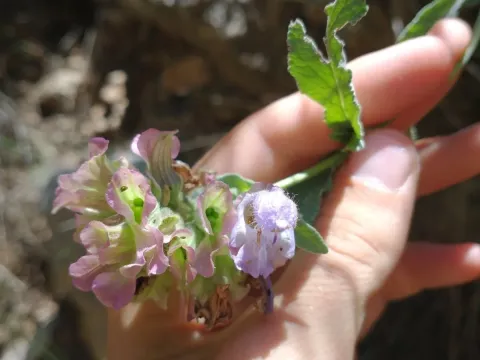
Apple sage
Salvia pomifera
Sowing of Salvia pomifera seeds is typically performed in early spring once soil temperatures reach 10-12°C. Autumn sowing is also an option in milder climates to allow for natural cold stratification of the seeds.
What the section contains
Apple sage
The planting pattern usually involves rows spaced 45-60 centimeters apart. Seeds should be sown shallowly, at a depth of 1-2 centimeters, ensuring they maintain good contact with moist, fine-textured soil for successful germination.
In regions with harsh winters, propagation via seedlings grown in greenhouses is preferred. Seeds are sown in trays in late winter to ensure vigorous young plants are ready for field transplanting by late spring.
The optimal plant density is approximately 50,000 to 70,000 plants per hectare. This spacing is crucial for maintaining proper airflow around the plants and reducing the risk of fungal infections.
When selecting a site, it is essential to choose fields with high solar exposure. Apple sage thrives in bright, sunny locations and is highly sensitive to shading, which can diminish its aromatic quality.
Salvia pomifera, commonly known as apple sage, is a perennial semi-shrub belonging to the Lamiaceae family, native to the rugged, arid landscapes of the Mediterranean region.
The plant has strict requirements for soil drainage. It cannot tolerate waterlogged conditions, making well-draining, sandy, or rocky soils the most suitable substrates for its cultivation.
Soil pH should ideally be neutral or slightly alkaline. Acidic soils can hinder nutrient uptake, particularly for essential micronutrients required for the development of aromatic oils.
Climatic conditions should be Mediterranean-like, characterized by warm summers and mild winters. While the species is drought-tolerant, supplemental irrigation during the peak growing phase significantly improves biomass yield.
It is sensitive to prolonged frost and extreme cold. In temperate climates, protective measures such as heavy mulching or cold frame cultivation are necessary to ensure the survival of the plantation through winter.
Yields of Salvia pomifera are determined by the age of the crop and the intensity of the agricultural management. Productivity typically stabilizes after the second year of growth.
Under favorable conditions, biomass yields range from 3 to 6 tonnes per hectare. Yields are highly dependent on the number of harvests per season and the availability of water during dry periods.
The primary commercial value of the crop lies in its essential oil production. The quality and concentration of these oils are heavily influenced by the specific harvest timing relative to the flowering stage.
Proper pruning is essential for sustaining yield. By cutting back the plant after the first harvest, farmers can stimulate a second growth flush, maximizing the seasonal production of foliage.
Soil nutrient management, particularly the balance of nitrogen and potassium, plays a vital role in ensuring that plants remain productive and hardy over their multi-year lifecycle.
The most common threats to apple sage are fungal diseases such as powdery mildew and root rot, which are primarily triggered by high humidity levels and poor soil drainage.
Pests like aphids and spider mites can attack the tender foliage during the spring. Integrated pest management, focusing on biological controls, is the preferred method for maintaining healthy crops.
Weed competition is a significant concern during the establishment phase. Effective management of inter-row spaces is necessary until the plant canopy closes, suppressing further weed development.
Crop rotation is essential to prevent the buildup of soil-borne pathogens. Growing sage on the same plot for more than five years is generally not recommended to avoid soil exhaustion.
Ensuring proper air circulation by managing planting density is the most effective preventative measure against the rapid spread of airborne pathogens within the field.
The optimal harvest window is during the period of peak flowering. This is when the plant's essential oil concentration is highest, ensuring the highest quality of raw material for distillation.
Harvesting is performed by cutting the upper aerial parts of the stems, leaving at least 10-15 centimeters of growth above the soil surface to facilitate proper plant recovery.
Post-harvest handling is critical to prevent degradation. The material must be moved quickly to drying facilities to avoid excessive heat buildup and the loss of volatile essential oils.
Drying should be conducted in shaded, well-ventilated areas or climate-controlled dryers at temperatures not exceeding 40°C to preserve the chemical profile of the plant.
Once dried, the crop must be stored in airtight containers away from direct light and moisture to maintain its potency and fragrance for extended periods of industrial or medicinal use.