
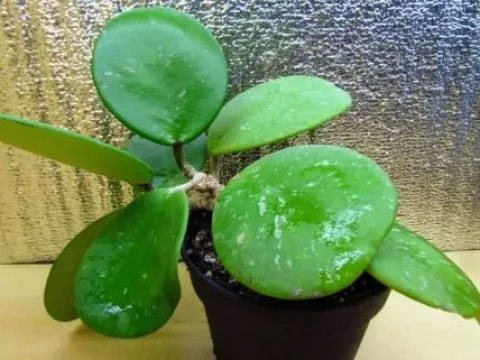
Cornuta obovata
Cornuta obovata
Successful cultivation of Cornuta obovata starts with proper soil preparation and precise seeding depths to ensure high germination rates under field conditions.
What the section contains
Cornuta obovata
Sowing should take place when the soil temperature consistently reaches 14 degrees Celsius, providing the necessary thermal energy for early-stage development.
Using a standard row spacing of 40 to 50 centimeters is recommended, as this provides each plant with adequate space for root system expansion and nutrient uptake.
Seeds should be sown at a depth of 3 centimeters to balance the protection of the seed against moisture loss and the need for a short path for emergence.
Early-stage irrigation is critical for the initial establishment of the crop, as the plants are particularly vulnerable to drought immediately following germination.
The crop thrives in fertile, well-drained loamy soils that possess a high organic matter content and a neutral pH balance to facilitate nutrient availability.
Cornuta obovata requires full sun exposure to optimize photosynthetic rates and biomass production, as shading can significantly reduce total yield potential.
The ideal temperature range for active growth is between 20 and 25 degrees Celsius, though the plants can tolerate minor fluctuations if moisture is sufficient.
Nutrient management should focus on balanced NPK applications, with specific emphasis on phosphorus and potassium during the transition to the flowering phase.
Crop rotation is a vital agricultural practice for this species; avoiding the same family of crops for consecutive years helps manage soil health and pathogen levels.
Yield performance is heavily dependent on the management of soil water content and the mitigation of environmental stressors throughout the growing season.
Intensive farming practices can significantly boost output, with proper fertilization and weed control being the primary levers for increasing total harvested biomass.
Uniform stand establishment is a key indicator of yield success, and plant spacing should be strictly managed to minimize competition for light and nutrients.
Monitoring for signs of nutrient deficiency early in the season allows for corrective actions, such as foliar feeding, to protect the potential final harvest.
Yield estimation should be conducted during the late vegetative phase to determine the necessary storage capacity and logistics required for the upcoming harvest.
The primary threats to this crop include various fungal diseases that proliferate in high-humidity microclimates, especially if canopy airflow is restricted.
Pest infestations, particularly by aphids and larvae, pose risks to both leaf integrity and overall plant vigor, requiring proactive integrated pest management strategies.
Fungicide application should be performed as a preventive measure in regions where specific climatic conditions favor the rapid spread of fungal spores.
Effective weed management is also essential, as weeds can act as vectors for viruses and other pathogens that commonly impact this agricultural species.
- Regular inspection of the leaf underside for signs of pest activity.
- Application of selective biological controls where feasible.
- Prompt removal of infected plant residues after the harvest season.
The harvesting process should be timed precisely to coincide with biological maturity, ensuring maximum nutrient concentration in the final agricultural product.
Modern harvesting machinery must be calibrated carefully to reduce physical damage to the crop, which could otherwise lead to increased spoilage during transport.
Post-harvest cleaning is mandatory to remove field debris and moisture-carrying impurities that may trigger rot or mold development within storage facilities.
Drying the harvested material to a stable moisture percentage is a non-negotiable step to maintain market quality and shelf-life for the duration of the storage period.
Proper storage involves climate-controlled environments with adequate ventilation and consistent monitoring for any signs of pest infestation or dampness.