
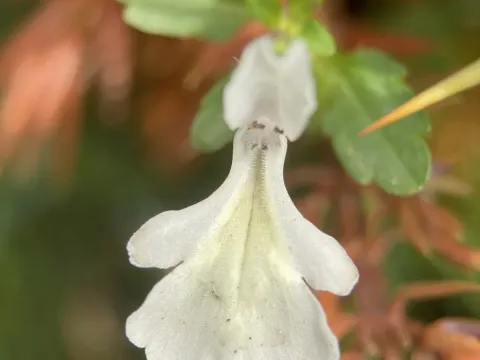
Corsican stachys
Stachys corsica
Corsican stachys (Stachys corsica) is a perennial herb belonging to the Lamiaceae family. It is a low-growing, mat-forming plant that is widely appreciated for its dense, dark green foliage and ability to cover surfaces.
What the section contains
Corsican stachys
The plant is typically propagated by sowing seeds in early spring in well-prepared, loose soil. Seeds are very small and require light for germination, so they should be sown on the surface and pressed down gently.
Vegetative propagation by division is also very popular among gardeners. The clumps can be divided in early spring, allowing each segment to establish itself before the summer heat arrives.
When planting, it is recommended to maintain a spacing of at least 20 cm between plants to ensure good air circulation. This prevents overcrowding, which is essential for the health of this groundcover.
Once established, the plant spreads slowly through stolons, creating a lush, uniform carpet. It is perfect for rock gardens, between paving stones, or as a small-scale lawn alternative.
Native to the islands of Corsica and Sardinia, this plant prefers full sun to light shade conditions. It thrives in temperate climates where winters are not excessively severe.
The soil must be well-draining, as the plant is highly susceptible to root rot if left in standing water. It prefers neutral to slightly alkaline pH levels and thrives in sandy or gritty soil types.
While the plant shows some drought tolerance, regular watering during the first growing season is crucial for deep root establishment. After that, it only requires supplemental water during prolonged dry spells.
Fertilization should be kept to a minimum. A light application of balanced granular fertilizer in the early spring is usually sufficient to support growth and healthy flowering.
In colder regions, a layer of mulch or protective fabric is advised to protect the plant from harsh, drying winter winds and deep frost. Proper overwintering ensures the plant retains its green color.
The main threats to Stachys corsica are fungal diseases, such as root and crown rot, primarily caused by poor drainage and excessive moisture around the base of the plant.
Slugs and snails can be problematic, especially in cool and wet seasons. These pests often feed on the foliage, leaving holes and reducing the aesthetic value of the groundcover.
Powdery mildew can occur during periods of high humidity and poor ventilation. Pruning and thinning the plants periodically can significantly reduce the incidence of this fungal issue.
Monitoring the soil moisture levels is the best defense against root diseases. Using inorganic mulch like gravel or small pebbles around the plant can help keep the foliage dry.
If pests or diseases appear, immediate removal of affected plant parts is recommended. In severe cases, organic-certified fungicides or pest control measures should be applied according to instructions.