
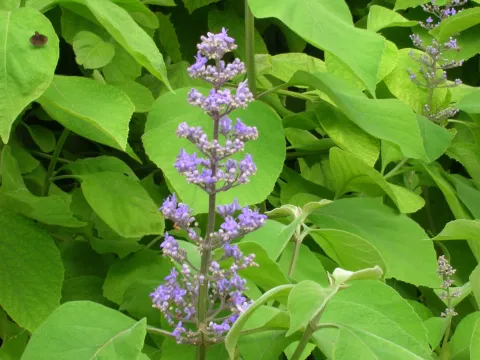
Cornutia
Cornutia
The propagation of Cornutia is primarily achieved through seeds or stem cuttings. Seeds should be sown in a light, well-draining seed-starting mix, ensuring they are only lightly covered with soil as they need light to germinate.
What the section contains


Cornutia
Consistent moisture and warmth are critical during the germination period. Using a heat mat to keep the soil temperature around 24 degrees Celsius significantly improves the success rate of the seedlings.
Once the seedlings develop two sets of true leaves, they should be carefully transplanted into individual pots. Handling them with care is essential, as the roots are delicate and prone to transplant shock.
For outdoor cultivation in warmer climates, hardening off the young plants is a necessary step. This process helps the plants adjust to external conditions over a period of seven to ten days before permanent placement.
Proper spacing is important for airflow. Planting them at an appropriate distance helps prevent the build-up of moisture and potential disease outbreaks in the crowded foliage.
Cornutia is a genus within the Lamiaceae family, known for its distinct botanical features. These plants thrive in tropical to subtropical environments and are widely appreciated for their aesthetic value in warm-climate landscaping.
Ideal soil conditions involve a nutrient-rich, loamy medium that provides excellent drainage. Although they are moisture-loving, they cannot tolerate waterlogged soils, which may quickly lead to root decay.
Sunlight requirements are moderate to bright. While they can handle some morning sun, they typically prefer filtered light or partial shade in hotter climates to prevent leaf scorching and desiccation.
Watering schedules should be consistent, ensuring that the root zone remains evenly moist. During the peak summer season, increased evaporation rates may necessitate daily monitoring of soil moisture levels.
Regular pruning is vital for maintaining the shape of the shrub. By trimming the tips of the branches, gardeners can encourage a bushier growth habit and enhance the intensity of the flowering cycle.
Common pests encountered by Cornutia include spider mites, which thrive in dry conditions. They cluster on the undersides of leaves, causing yellowing and eventually leading to significant foliage drop if left untreated.
Fungal infections, such as powdery mildew, often appear when air circulation is poor or humidity levels remain constantly high without sufficient ventilation. This is particularly problematic in indoor or greenhouse settings.
Control strategies for pests include the application of neem oil or insecticidal soaps, which are effective while being relatively safe for the environment. Early detection is key to preventing large-scale infestation.
Root rot is the most serious disease risk, typically caused by overwatering or soil that lacks adequate aeration. Improving drainage by adding perlite or coarse sand to the mix is a proactive preventive measure.
Maintaining a clean growing environment is essential. Regularly removing fallen leaves and debris around the base of the plant reduces the habitat for fungal spores and overwintering insect pests.