
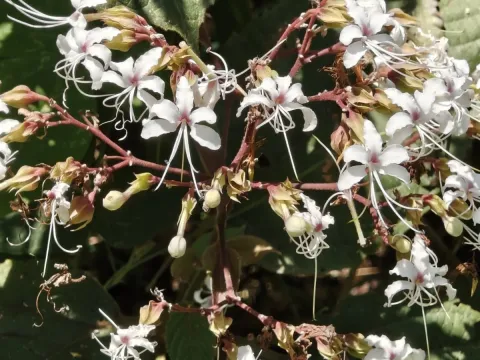
Clerodendrum viscosum
Clerodendrum viscosum
Clerodendrum viscosum is a perennial shrub belonging to the Lamiaceae family. Native to tropical regions of Southeast and South Asia, this plant is known for its distinct botanical features, including large, heart-shaped leaves and dense, viscous inflorescences.
What the section contains
Clerodendrum viscosum
The crop requires fertile, well-draining soil with a pH range of 6.0 to 7.0. It thrives in humid conditions and requires a constant moisture supply to maintain its vigorous growth rate during the primary vegetation phase.
Temperature management is critical for the survival of this species. It demands a tropical climate with temperatures between 20°C and 30°C; exposure to frost or temperatures below 10°C is highly detrimental and can lead to the loss of the aerial part of the plant.
Regarding light requirements, the plant prefers bright, indirect sunlight. Excessive exposure to direct midday sun can result in leaf scorching, while insufficient light often leads to stunted development and a significant reduction in flowering performance.
Agricultural practices include regular fertilization using NPK-balanced fertilizers during the growth season. Pruning is essential to encourage branching and to manage the plant's size, especially when cultivated in greenhouses or controlled environments.
Spider mites are considered the most significant pests for Clerodendrum viscosum, especially in indoor settings with low relative humidity. They rapidly cause leaf chlorosis and can severely weaken the plant if left unchecked.
Whiteflies and mealybugs also pose consistent threats to the foliage. These insects produce sticky honeydew, which serves as a medium for secondary fungal infections, such as sooty mold, ultimately impacting the plant's photosynthetic efficiency.
Root rot, primarily caused by Phytophthora or Pythium species, is a common issue in poorly drained substrates. Maintaining adequate soil structure and ensuring that the irrigation frequency is calibrated to the plant's uptake capacity is essential for disease prevention.
Management strategies involve integrated pest management (IPM) techniques. This includes the application of targeted acaricides and insecticides, alongside biological control methods to minimize the impact on the plant's physiological health.
Sanitation remains the best defense against pathogens. Keeping the growing area clean, removing infected plant debris, and ensuring proper airflow between plants are fundamental practices for maintaining a healthy crop throughout the entire life cycle.