
Clinopodium brevifolium
Clinopodium brevifolium
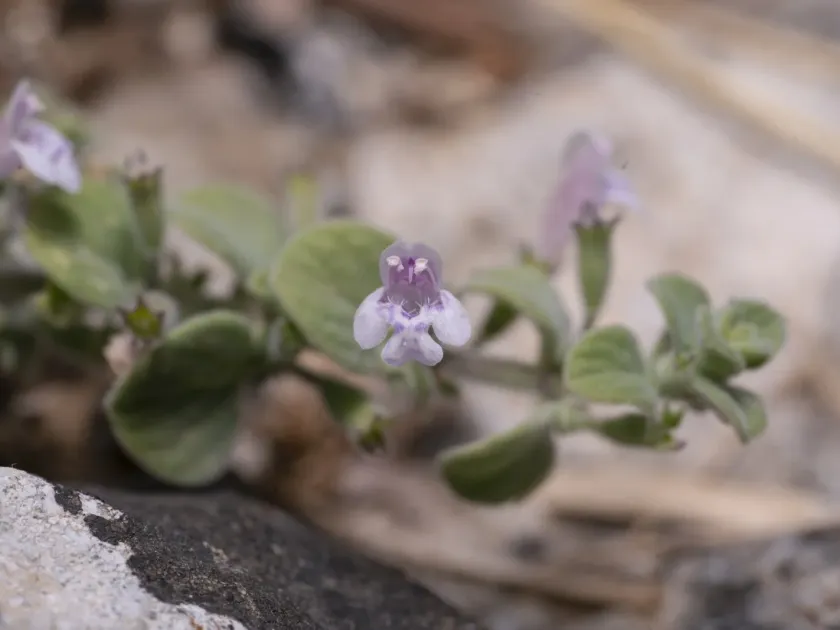
Description
Sowing dates
Sowing Clinopodium brevifolium is best initiated in early spring once soil temperatures reach 8–10 degrees Celsius. Seeds often require stratification to break dormancy and ensure uniform germination across the field.
The optimal sowing depth is shallow, ranging from 0.5 to 1 centimeter. For larger operations, using a precision seed drill ensures consistent spacing, while transplanting seedlings raised in greenhouses can provide a significant head start during cooler spring periods.
Maintain row spacing of 45 to 60 centimeters to facilitate aeration and mechanical weeding. Within the rows, spacing should be approximately 20–25 centimeters to prevent overcrowding and promote robust plant development.
Seed quality is paramount, and certified seeds with high germination rates are recommended to minimize gaps in the field. Seedlings emerge gradually, requiring careful observation during the first month when they are most vulnerable to weed competition.
The seeding rate is typically around 1.5–2 kilograms per hectare depending on the specific soil conditions and planting method. Consistent moisture levels must be maintained in the topsoil layer during the initial germination phase to avoid seed desiccation.
Growing requirements
Clinopodium brevifolium is a member of the Lamiaceae family that thrives in sunny, well-ventilated locations. Exposure to direct sunlight is essential for the accumulation of essential oils, which define the plant's economic and culinary value.
The plant prefers light, well-draining sandy loam or loamy soils with a neutral pH range of 6.0 to 7.5. Good drainage is critical, as the roots are sensitive to waterlogging and may rot in poorly aerated, saturated environments.
While exhibiting moderate drought tolerance due to its pubescent (hairy) foliage, the crop requires regular irrigation during active growth stages to reach its full biomass potential. Efficient moisture management is a key factor in industrial production.
Temperatures between 18 and 25 degrees Celsius are ideal for active development. The species shows resilience to minor thermal fluctuations, though excessive cold during the flowering stage should be avoided to protect the yield of volatile components.
Soil fertility management includes the application of potassium and phosphorus fertilizers, which support plant structure and chemical synthesis. Incorporating organic matter during autumn plowing builds long-term soil structure and provides sustained nutrition.
Yield
Yield capacity for Clinopodium brevifolium is heavily influenced by agricultural precision and soil health. Producers can typically expect 8–12 tonnes of raw green biomass per hectare, provided optimal conditions are met throughout the season.
The concentration of essential oil in the harvest is the primary metric for commercial success. Strict adherence to drying protocols ensures that these compounds are retained, resulting in a higher quality product for industrial processing.
Plantations become more productive in the second and third years as the root systems establish and the plant bushes out. With proper management, a single plantation can remain commercially viable for up to 4–5 years before requiring rotation.
Foliar feeding with micro-nutrients can boost floral production by 15–20 percent. Furthermore, timing the harvest correctly allows for secondary regrowth, potentially enabling a second cut within the same growing season.
Mechanical harvesting efficiency is a significant factor in total yield. Properly adjusted machinery minimizes damage to the fragile flower heads and reduces leaf shatter, ensuring a cleaner final product for extraction facilities.
Main diseases and pests
Powdery mildew is a common threat to this species, particularly in regions with high humidity or poor air circulation. Regular monitoring and preventive thinning are recommended to maintain plant health and suppress fungal outbreaks.
Root rot caused by persistent soil saturation can be devastating. Proper site selection and careful irrigation management are the most effective deterrents against soil-borne pathogens that compromise plant vigor.
Aphids and spider mites are typical pests that target the foliage, especially during hot, dry spells. Integrated pest management strategies, including the use of targeted biological controls, are preferred to maintain the organic integrity of the crop.
Mirid bugs may damage terminal buds, potentially stunting growth and reducing the quantity of essential oils. Early identification of infestation sites allows for localized management, preventing the need for broad-spectrum chemical applications.
Crop rotation remains the most vital preventive strategy. Avoiding the replanting of Clinopodium brevifolium on the same site for at least three years significantly reduces the buildup of specific soil pathogens and weeds.
Harvesting
Harvesting should occur during full bloom, as this is the period when essential oil content is highest. Timing is critical, as harvest delays can lead to rapid volatile loss and reduced product quality.
Use a clean cut 10–15 centimeters above the ground level to stimulate subsequent growth. This practice balances immediate harvest yield with the plant's longevity and recovery for future seasons.
Immediate transportation to the drying facility is essential to prevent heat buildup, which can degrade the plant material and cause unwanted fermentation or loss of aromatic compounds.
Drying must be conducted in well-ventilated, shaded areas at temperatures not exceeding 40 degrees Celsius. This controlled drying preserves the volatile oils and ensures that the herbal product retains its chemical profile.
Following drying, the product should be cleaned, graded, and stored in airtight packaging. When stored in a cool, dark environment, the harvest remains stable for up to two years, maintaining its value for the market.